


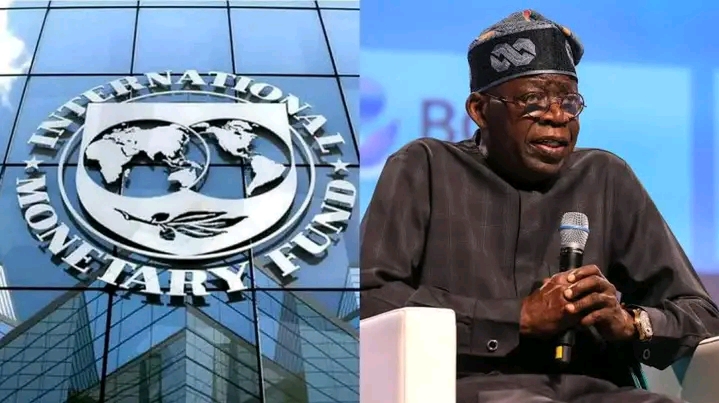
The International Monetary Fund (IMF) has warned that Nigeria’s public external debt could increase by over $20 billion, potentially hitting $72.6 billion by 2027, largely due to spending pressures linked to the upcoming election.

In its 2026 Article IV Consultation Report published on Tuesday, the IMF forecasted that Nigeria’s public external debt would grow from $51.9 billion in 2025 to $66.5 billion in 2026, eventually rising to $72.6 billion in 2027—an increase of nearly 40 percent within two years.
🚀 Don't Miss Out!
Latest jobs • Scholarships • Grants • Internships • Career tips
(Naija + worldwide) — delivered daily on our WhatsApp Channel.
The IMF highlighted that rising poverty, food insecurity, and pre-election expenditure could exacerbate fiscal deficits. “Elevated poverty and food insecurity, particularly leading up to the elections, may widen the fiscal deficit and escalate financing needs,” the report stated.
The analysis also indicated that Nigeria’s total external debt, which includes private-sector liabilities, is expected to rise from $109.3 billion in 2025 to $132 billion by 2027.
Furthermore, the IMF projected that public external debt as a percentage of exports could grow from 82.9 percent in 2025 to 104.3 percent by 2027, while interest payments on public debt are anticipated to rise from $2 billion to $3 billion in the same timeframe.
🔔 OFFICIAL CHANGE OF NAME MADE EASY!
Avoid delays and rejection — let professionals handle your publication quickly and stress-free.
We help you publish your change of name in:
📰 Punch Newspaper
📰 Vanguard Newspaper
📰 Other Top National Newspapers
✨ Why Choose Us?
- ✔️ Quick turnaround (3 days)
- ✔️ Budget-friendly packages
- ✔️ Reliable & trusted service
PAY ATTENTION: Follow The Lagos Voice on WhatsApp channel for latest updates
The IMF noted that debt servicing will continue to consume over half of the Federal Government’s revenue, with interest payments projected to comprise more than 52 percent of total revenue through 2027.
Additionally, the IMF raised concerns about the Federal Government’s proposed $5 billion Total Return Swap (TRS) financing plan, indicating that such financial arrangements are typically opaque and fraught with risks. “This arrangement puts the government at risk of margin calls if the value of naira securities declines,” the report warned.
Christian Ebeke, the IMF Resident Representative in Nigeria, advised caution, stating, “These types of structures pose risks and are often not transparent.” He mentioned that Nigeria already has access to international capital markets and should consider alternatives such as Eurobonds or concessional financing.