


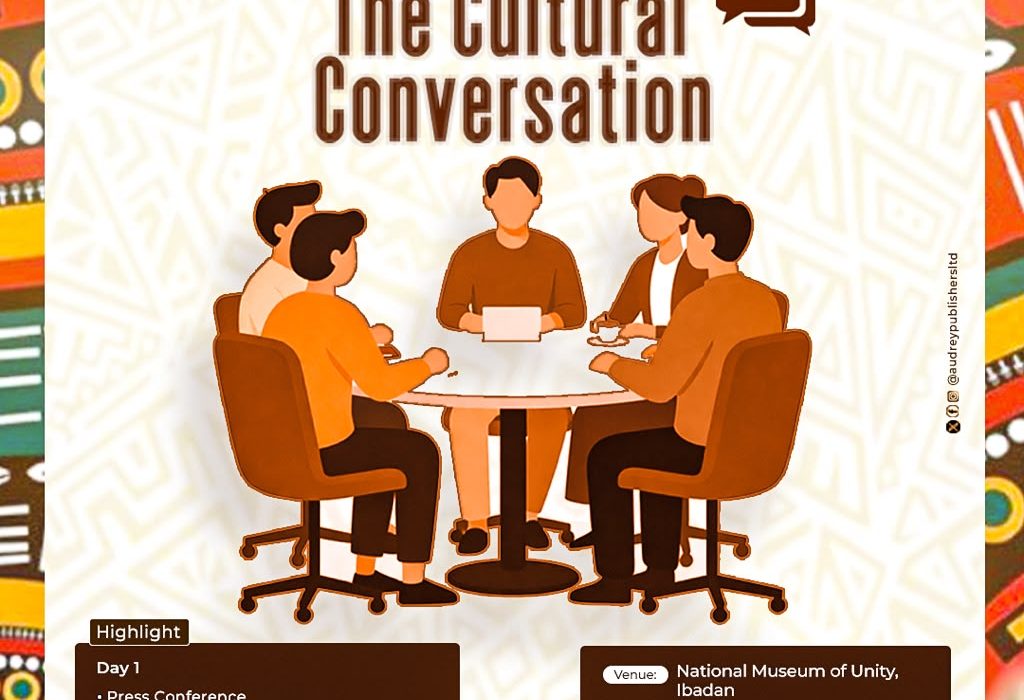
A thought-provoking panel session on cultural storytelling and the Nigerian mindset took centre stage during the inaugural Cultural Iris 2026 at the National Museum of Unity, as artists, scholars, and cultural advocates examined authenticity, heritage, and inclusive narratives.

The discussion brought together renowned batik textile artist and cultural conservationist Prince Tunde Odunlade, pathologist and advocate for cultural freedom Dr. Kemi Ademola-Aremu, and oral culture documentarian and writer Miss Abiose Falade.
🚀 Don't Miss Out!
Latest jobs • Scholarships • Grants • Internships • Career tips
(Naija + worldwide) — delivered daily on our WhatsApp Channel.
Caleb Ijioma, a Journalist and Executive Director of Round Check Network moderating the conversations tackled key questions around balancing local authenticity with global influences, amplifying women’s voices, and the critical role of documentation in preserving identity.
Prince Tunde Odunlade, known for his vibrant batik tapestries, floatography, and use of art for social awareness, stressed the importance of a strong cultural foundation.
He drew from his roots in the ancient city of Ile-Ife, a royal family member who grew up surrounded by near-daily festivals and cultural expressions.
🔔 OFFICIAL CHANGE OF NAME MADE EASY!
Avoid delays and rejection — let professionals handle your publication quickly and stress-free.
We help you publish your change of name in:
📰 Punch Newspaper
📰 Vanguard Newspaper
📰 Other Top National Newspapers
✨ Why Choose Us?
- ✔️ Quick turnaround (3 days)
- ✔️ Budget-friendly packages
- ✔️ Reliable & trusted service
He likened a weak home foundation to dancing abnormally in the world, urging artists to root their work in authentic stories such as moonlight tales before incorporating external influences. “Charity begins at home,” he emphasised.
“If you don’t stand for something, you will fall for anything.”
Dr. Kemi Ademola-Aremu, a strong proponent of cultural freedom particularly for Muslim women, encouraged personal empowerment and self-knowledge as the starting point for societal change.
Sharing her own experience of not speaking Yoruba as a first language yet being deeply grounded in Yoruba philosophy by her father, she argued that true identity transcends language or external limitations.
She urged the audience, especially the younger generation, to see themselves as role models and absorb the best from society while remaining unashamed of their uniqueness.
“Your uniqueness will turn into a product or a service,” she noted, adding that individuals must be willing to “produce themselves” and offer their gifts to the world.
Miss Abiose Falade, who documents oral traditions and creates positive stories for young people with disabilities, highlighted the power of cultural documentation for future generations. She pointed out that without recorded histories and positive representations, communities risk losing vital aspects of who they are.
PAY ATTENTION: Follow The Lagos Voice on WhatsApp channel for latest updates
Falade drew attention to the marginalisation of women and girls, especially those with disabilities, describing harmful stereotypes that confine them to silence and domestic roles.
She called for stronger recognition of women as creators, planners, and propellers of societal progress, stressing the need for inclusive narratives that portray persons with disabilities as purposeful and capable.
The panel aligned closely with the festival’s theme, “My Identity No Be Joke”, reinforcing Cultural Iris as a platform for honest dialogue on literature, visual arts, fashion, and storytelling in the preservation of Nigerian heritage.
The session ended with a strong consensus on the need for intentional cultural education, documentation, and inclusive participation to shape a more grounded and dynamic future for Nigeria.