


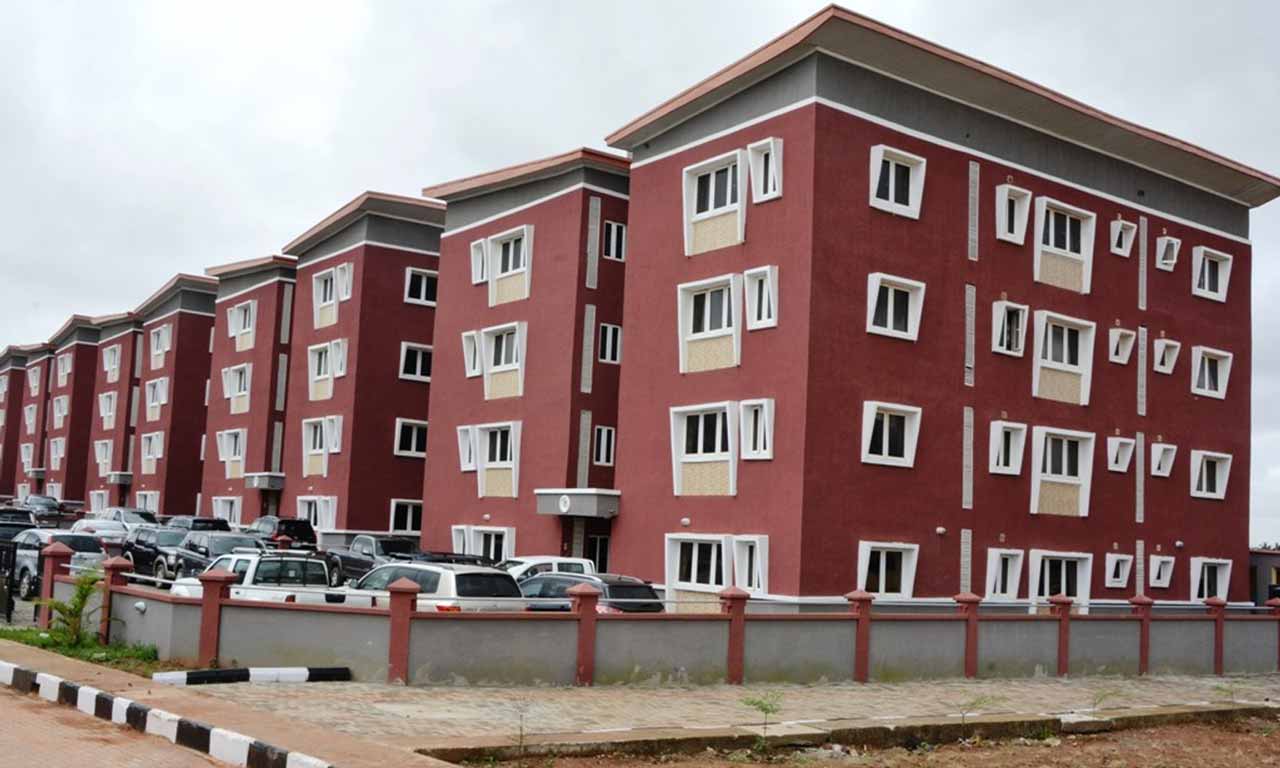
More than 70 percent of Lagos residents are trapped in a deepening housing crisis, with a staggering 40 to 60 percent of their income consumed by rent, according to the alarming findings of the latest State of Lagos Housing Market Report.
The biennial report paints a grim picture of Africa’s largest city, revealing a market saturated with luxury developments while the critical low-income housing sector remains severely neglected and underfunded.

The third edition of the comprehensive report, commissioned by the Roland Igbinoba Real Foundation for Housing and Urban Development (RIRFHUD), highlights that rental pressure is most acute in affluent enclaves such as Lekki, Ikoyi, and Victoria Island.
ALSO READ: Top Universities in Lagos for Students who scored below 200 in JAMB
Here, property values and the cost of luxury apartments continue their relentless ascent, seemingly immune to broader economic headwinds. This upward trend in high-end properties is primarily fueled by diaspora funding and developers strategically targeting high-net-worth individuals, creating a stark dichotomy in the city’s real estate landscape.
Unveiled during a recent event in Victoria Island, the report is lauded as the most exhaustive analysis of Lagos’ real estate market to date. It leverages advanced tools including satellite imagery, sophisticated property analytics, and extensive field data, building upon the foundational insights from its predecessors in 2009 and 2016. Its findings are anticipated to significantly influence future investment decisions and urban housing policy across the sprawling metropolis.
ALSO READ: From Hustle to Hope: How Nigerian youths are turning passion into profit
Among its most critical revelations is the sharp escalation of Lagos State’s housing deficit. The deficit, which stood at an estimated 2.95 million units in 2016, has surged by a concerning 15 percent to reach 3.4 million units in 2025.
This escalating gap underscores a profound disconnect between the supply of housing, largely driven by the private sector’s focus on luxury, and the actual, dire demand for affordable housing options for the vast majority of the population.
House rent increased in Ikorodu, Badagry, and Alimosho
Ironically, high-demand locations such as Ikorodu, Badagry, and Alimosho – areas where the need for housing is most acute – continue to witness minimal new residential development. This paradox further exacerbates the plight of low and middle-income earners, who are increasingly priced out of decent accommodation.
The report also notes that despite persistent economic uncertainties, including inflationary pressures and rising construction costs, property prices across Lagos have defied expectations, rising by an average of 12 percent year-on-year. This surge in prices, coupled with stagnant or declining real incomes for many residents, pushes homeownership further out of reach for the burgeoning middle class.
In the premium neighbourhoods, yields on short-let and serviced apartments have soared by an impressive 15 to 18 percent, indicating a lucrative market for investors catering to a transient, high-spending clientele. However, this boom in luxury short-term rentals stands in stark contrast to the mainland, where growing affordability concerns are leading to rising vacancy rates in traditional residential areas. This suggests that even as some properties sit empty, they remain unaffordable for the majority, creating an artificial scarcity in a market desperate for homes.
The report did not shy away from highlighting the pervasive infrastructure deficits that continue to plague many residential zones. Critical issues such as inadequate drainage systems, unreliable electricity supply, and poorly maintained road networks severely limit the liveability and overall investment appeal of these areas.
These basic amenities, essential for a decent quality of life, are often lacking where they are needed most, further burdening residents and deterring sustainable development.
“The market is saturated with luxury apartments, but the middle class is being priced out,” a respondent quoted in the report succinctly captured the dire situation. This sentiment resonates with millions of Lagosians who find themselves caught between an inaccessible luxury market and a neglected affordable housing sector.
Adding to the complexity are significant administrative and regulatory challenges. Developers interviewed for the report cited a litany of bureaucratic hurdles, including inefficient land titling processes, exorbitant documentation costs, and protracted delays in securing necessary permits. These systemic inefficiencies, according to the report, can inflate housing development expenses by an additional 15 to 20 percent.
“These bureaucratic hurdles are stalling private investment and slowing the pace of new housing delivery,” the report emphatically stated.
It concluded with a strong call for urgent policy reforms, emphasising the critical need for streamlined processes and a renewed, genuine public-private collaboration to bridge the widening housing gap.
Without concerted efforts to address these multifaceted challenges, Lagos’s housing crisis is set to deepen, further impacting the quality of life for its rapidly growing population.