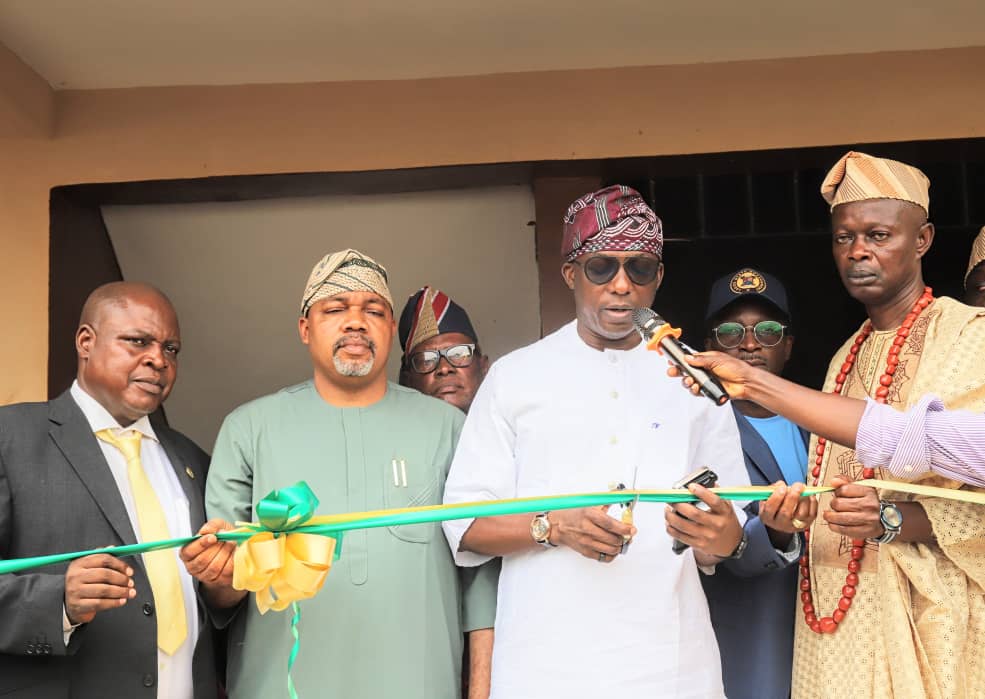


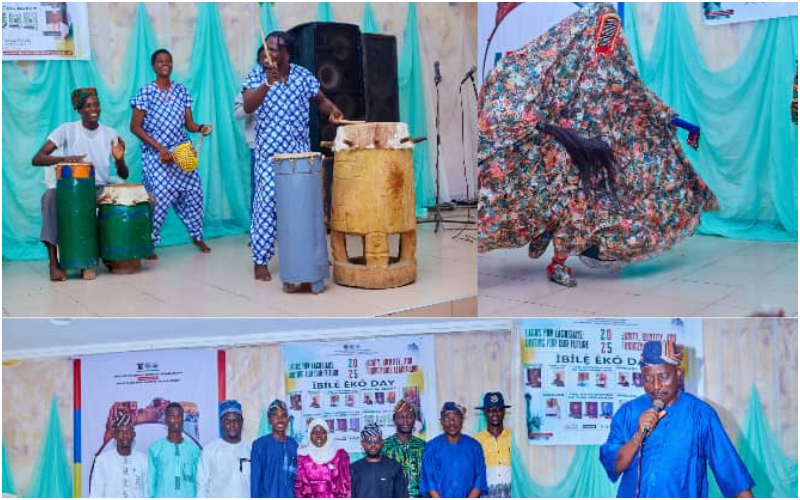
The inaugural IBILE Games Summit has been hailed as a major step forward in promoting student sports participation, youth engagement, and the revitalisation of indigenous games across Lagos State.

Named after the five administrative divisions of Lagos, Ikorodu, Badagry, Ikeja, Lagos Island, and Epe, the IBILE Games Summit organised by the National Union of Lagos State Student, Lagos State University of Education (NULASS LASUED) is more than just a gathering of students and sports enthusiasts.
It is a deliberate effort to reconnect young people with their cultural roots, encourage healthy competition, and foster leadership through recreational and indigenous sports.
Organisers describe the summit as both a celebration and a call to action.
“The IBILE Games Summit is a platform for reflection, innovation, and cultural reconnection,” said one of the organisers.
“Our traditional games are more than entertainment—they are a part of our identity and history.”
From ayo olopon to ludo, ten-ten, and suwe, Lagos has a rich legacy of games that have shaped generations. These activities have historically served not only as pastimes but also as tools for teaching strategy, building resilience, and strengthening community ties.
The summit aims to modernise these games, giving them renewed relevance among students today.
Beyond cultural preservation, the event also highlighted the mental health and social benefits of games. Students face increasing pressure from academics and societal challenges. Organisers say game-based learning offers a much-needed outlet for strategic thinking, expression, and relaxation.
“Games create safe spaces for young people to collaborate, compete, and learn,” said another speaker at the summit. “They are key to reducing social vices and building leadership among youth.”
The summit also called on students and institutions across Lagos to embrace indigenous sports not only for recreation but also as a medium for fostering unity and inclusion.
As part of its vision, the IBILE Games Summit aspires to become an annual event that inspires Lagos students to be proud of their cultural heritage while adapting it creatively for modern contexts.
“When we connect to our roots and innovate from within,” a keynote speaker said, “we don’t just preserve tradition—we create a future that is proud, inclusive, and progressive.”
The summit concluded with a call for greater integration of cultural games into school curriculums, inter-campus tournaments, and grassroots sports development programs.