


By Olayimika Raimi

It often begins subtly, a lingering headache, unusual fatigue, or a mild fever that refuses to go away. For many Nigerians, falling sick has become almost routine. Malaria, typhoid, and recurring infections are treated as normal parts of life rather than warning signs of a deeper issue: weakened immunity.
🚀 Don't Miss Out!
Latest jobs • Scholarships • Grants • Internships • Career tips
(Naija + worldwide) — delivered daily on our WhatsApp Channel.
In reality, the human body is designed to fight off many infections. However, when the immune system is compromised, even minor health challenges become serious. Across Nigeria, several everyday factors silently weaken this natural defense system. Poor nutrition, irregular sleep, high stress levels, and unhealthy lifestyle choices all contribute to a body that is constantly vulnerable.
One of the most overlooked causes of low immunity is diet. While Nigerian meals are rich and filling, they are often heavily centered on carbohydrates such as rice, yam, and garri, with less attention given to nutrient-dense foods. The immune system depends on vitamins and minerals to function effectively, and without them, it struggles to defend the body.
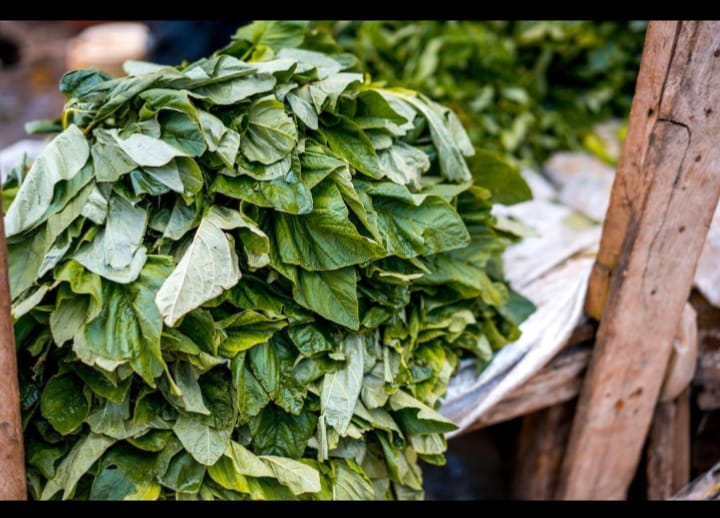
Fruits play a critical role in strengthening immunity. Citrus fruits like oranges and lemons, as well as pineapple, pawpaw, and guava, are rich in Vitamin C, which helps the body fight infections. Vegetables such as ugu (fluted pumpkin leaves), spinach (efo), bitter leaf, okra, and carrots provide essential nutrients that reduce inflammation and support overall health. In addition, foods like beans, groundnuts, fish, eggs, and yogurt contribute proteins, healthy fats, and beneficial bacteria that enhance immune function.
🔔 OFFICIAL CHANGE OF NAME MADE EASY!
Avoid delays and rejection — let professionals handle your publication quickly and stress-free.
We help you publish your change of name in:
📰 Punch Newspaper
📰 Vanguard Newspaper
📰 Other Top National Newspapers
✨ Why Choose Us?
- ✔️ Quick turnaround (3 days)
- ✔️ Budget-friendly packages
- ✔️ Reliable & trusted service

Beyond diet, sleep remains a powerful yet neglected tool for good health. In fast-paced cities like Lagos, many people sacrifice rest for work, social activities, or screen time. However, sleep is when the body repairs itself and produces infection-fighting cells. Without adequate rest—at least seven hours nightly—the immune system becomes significantly weaker.
Physical activity is another important factor. While many assume exercise requires a gym, simple daily movements such as walking, dancing, or even household chores can improve circulation and strengthen the body’s defenses. Regular movement helps immune cells travel efficiently, making it easier to detect and fight infections early.
Hydration is equally essential, particularly in Nigeria’s warm climate. Water supports vital body functions, including flushing out toxins and maintaining balance within the immune system. Replacing water with sugary drinks or soft beverages can do more harm than good, weakening the body over time.

Stress, often dismissed as a normal part of daily life, is another silent threat. Financial pressures, traffic congestion, and job-related challenges can lead to chronic stress, which weakens the immune response and increases susceptibility to illness. Managing stress through rest, relaxation, social support, or spiritual practices can significantly improve overall health.
PAY ATTENTION: Follow The Lagos Voice on WhatsApp channel for latest updates
Unhealthy habits also play a damaging role. Excessive alcohol consumption, smoking, poor hygiene, and reliance on processed foods gradually reduce the body’s ability to fight disease. Avoiding these habits is just as important as adopting healthy ones.

It is important to understand that there is no instant solution to boosting immunity. No supplement, herbal mixture, or quick fix can replace the impact of consistent healthy living. True immunity is built over time through daily choices.
As Nigeria continues to face public health challenges, strengthening individual immunity becomes not just a personal responsibility but a collective necessity. A healthier population means increased productivity, reduced healthcare burden, and stronger communities.
Ultimately, good health is not accidental. It is the result of intentional living. By eating better, resting adequately, staying active, and managing stress, Nigerians can build stronger immune systems and break the cycle of frequent illness.