


By Matthew Ogunwale
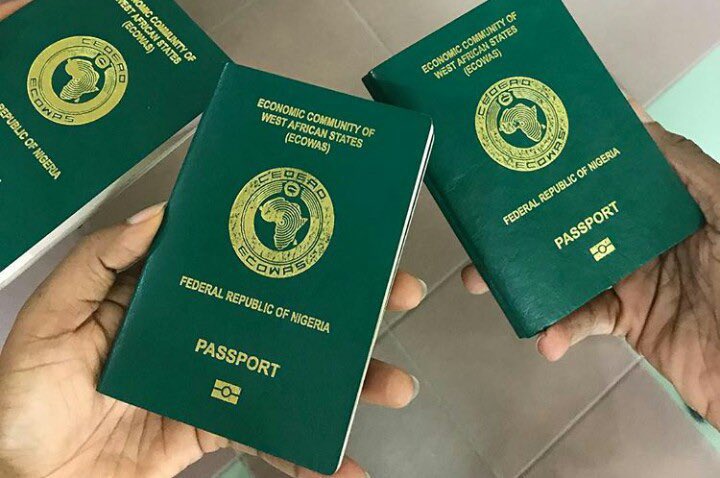
The Federal Government has announced a fresh upward review of fees for the Nigerian Standard Passport, sparking mixed reactions across the country.

In a statement issued on Wednesday by the Nigeria Immigration Service (NIS), the revised fees will take effect from September 1, 2025. The new charges are as follows:
₦100,000 for the 32-page passport with 5-year validity.
₦200,000 for the 64-page passport with 10-year validity.
The NIS spokesperson, A.S. Akinlabi, explained that the review was necessitated by the rising cost of passport production and the need to align with global standards. He added that the measure would also help sustain the integrity and security features of the Nigerian passport.
“The increment is part of the government’s commitment to ensuring Nigerians continue to access secure, high-quality travel documents. The new fees will enable us to maintain production standards while improving service delivery,” Akinlabi said.
PAY ATTENTION: Follow The Lagos Voice on WhatsApp channel for latest updates
Diaspora Fees Unchanged
The agency clarified that the new fee structure applies only to applications made within Nigeria. Fees for Nigerians in the diaspora remain unchanged at $150 for the 32-page and $230 for the 64-page passports.
Second Increase in a Year
This development marks the second increase in just one year. In August 2024, passport fees were raised from ₦35,000 to ₦50,000 for the 32-page, and from ₦70,000 to ₦100,000 for the 64-page booklet. With the latest hike, the cost has now doubled again within 12 months.
Analysts say the move could further strain citizens already grappling with inflation and high living costs. Many Nigerians have taken to social media to express frustration, describing the increment as “untimely” and “unfair.”
Economic Justification
However, immigration authorities insist that the adjustment is unavoidable. According to the NIS, global inflation, higher production costs, and the need for sustainable financing of e-passport infrastructure are the driving factors.
The Service also noted that the fees remain competitive compared to some African countries, where biometric passport costs are relatively higher.
Implications for Citizens
The increment is expected to significantly impact students, business travelers, and families seeking new or renewed passports. Civil society groups have already begun calling on the government to consider a review, or at least introduce palliatives for low-income citizens.