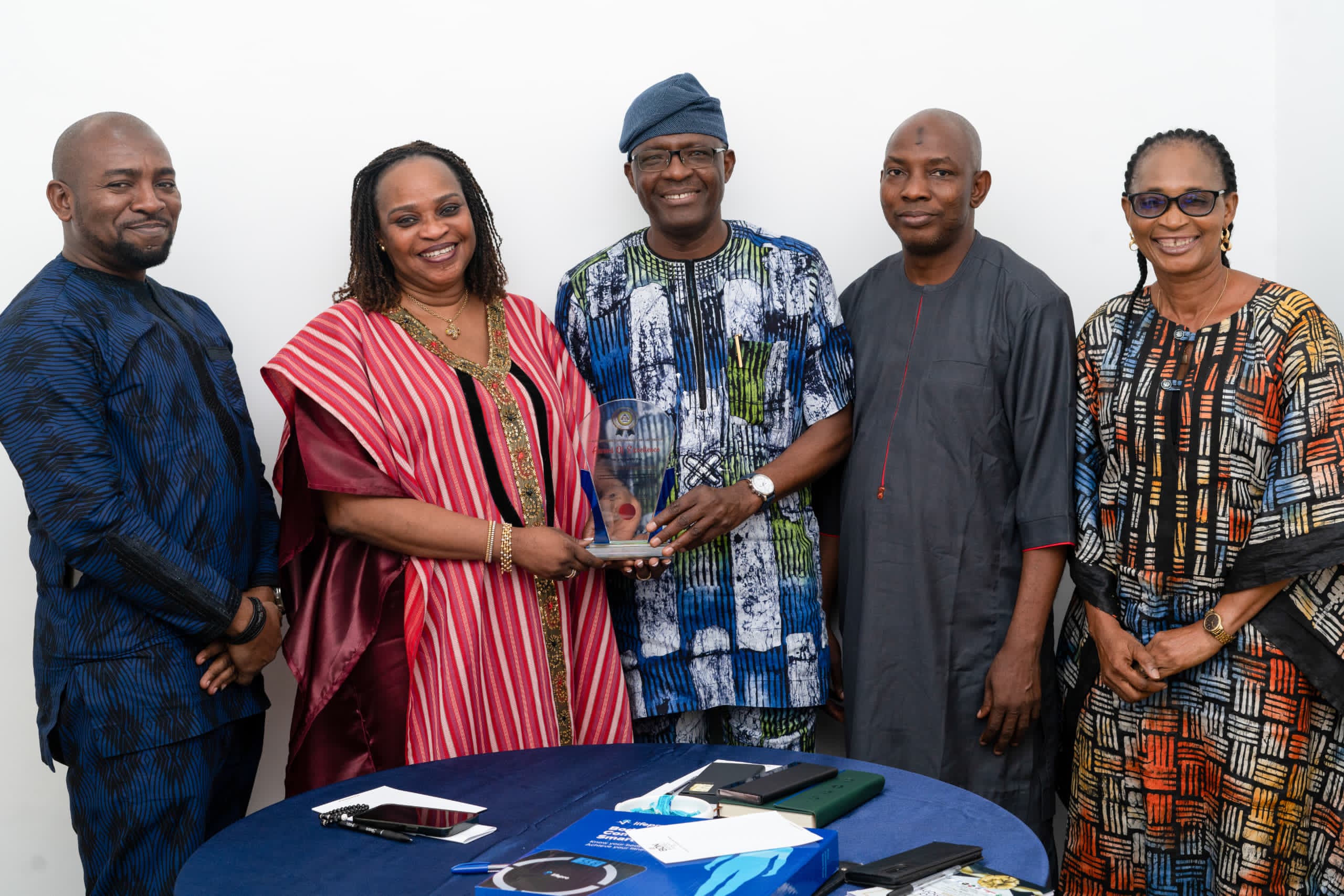



The Lagos State Government has reiterated its dedication to ensuring accountability, measurable impact, and sustainability in community-focused HIV response programs.
During a two-day workshop aimed at building capacity for organizations involved in HIV programming at the Lagos Chamber of Commerce and Industry (LCCI), Dr. Folakemi Animashaun, the Chief Executive Officer of the Lagos State AIDS Control Agency (LSACA), highlighted the significance of grassroots involvement, transparency, and ongoing evaluation to guarantee that initiatives provide tangible benefits to communities.

The workshop aimed to improve the capacity of organizations in data collection, management, and reporting by utilizing standardized national tools. Additionally, it sought to enhance the quality of data assurance to maintain accuracy, reliability, and integrity, while encouraging the regular use of data for evidence-based decision-making at all levels.
“Our responsibility is not just to design and implement projects but to constantly ask ourselves: have we really impacted the people and communities we claim to serve? It is important to go back to those we have trained and supported, to measure the outcomes and ensure that our interventions translate into real, lasting change,” Dr. Animashaun said.
PAY ATTENTION: Follow The Lagos Voice on WhatsApp channel for latest updates
She further underscored the role of Monitoring, Evaluation, Accountability, and Learning (MEAL) as a critical tool in driving efficiency, transparency, and sustainability in the fight against HIV and AIDS in Lagos State.
Commending the collaborative efforts of government agencies, civil society, development partners, and local communities, Dr. Animashaun stressed the need for data-driven interventions and continuous adaptation to consolidate progress made so far.
“This training is not just about numbers or reports. It is about telling the story behind the numbers – the story of lives saved, stigma reduced, and communities empowered. It is about ensuring that every resource invested delivers maximum benefit for the people of Lagos State,” she added.
She encouraged attendees to actively participate, share their experiences, and dedicate themselves to long-term collaboration, pointing out that sustainability relies on more robust institutions and improved programme outcomes.
Another facilitator, Miss Bunmi Solomon, urged participants to engage in self-assessment and enhance their skills, emphasizing that accountability frameworks, teamwork, and community ownership are vital for an effective HIV response.
This two-day capacity-building initiative demonstrates LSACA’s steadfast dedication to enhancing institutional capacity for HIV programming, ensuring that interventions are efficient, accountable, and effective in leading Lagos State toward a generation free of HIV.