The Lagos State Government has rolled out the Lagos Private Health Plan (LPHP) Partnership and declared health insurance mandatory for all citizens and corporate bodies.
Governor Babajide Sanwo-Olu confirmed a transition window extending through December 31, 2026, allowing employers, workers, and households time to secure adequate policies before full enforcement begins on January 1, 2027.

PAY ATTENTION: Follow The Lagos Voice on Facebook and WhatsApp channel for latest updates
Introduced during an event at the Lagos Continental Hotel on Victoria Island, the initiative included the accreditation of 21 Health Maintenance Organisations (HMOs). The move forms part of a broader strategy to shield residents from catastrophic medical costs and broaden access to quality care across the state.
ALSO READ: Ilera Eko: Affordable Health Insurance in Lagos you need to know about
Governor Sanwo-Olu stated that the policy, anchored in Executive Order EO/BOS/01/2024 signed in July 2024, aims to eradicate a system where receiving medical treatment depends strictly on out-of-pocket capacity during an emergency.
PAY ATTENTION: Follow The Lagos Voice on Facebook and WhatsApp channel for latest updates
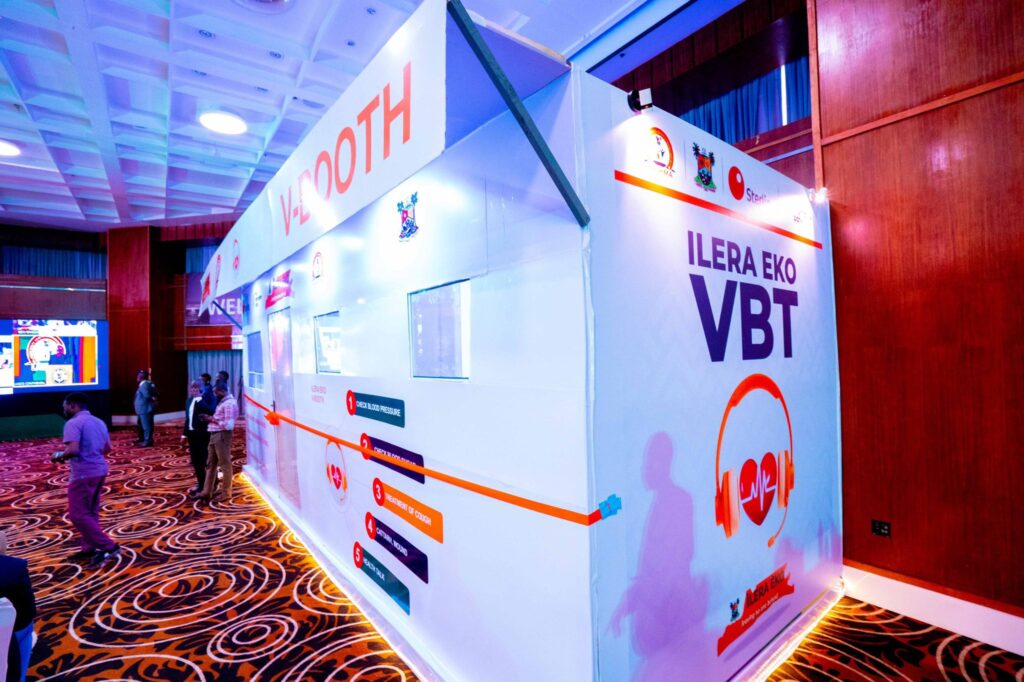
While reaffirming his administration’s dedication to the state’s flagship health scheme, Ilera Eko, the Governor pointed out that the program was predominantly tailored for vulnerable individuals and informal sector workers. Consequently, the newly launched LPHP was created to address the specific needs of salaried employees and corporate organizations, backed by actuarial reviews of roughly two million claims and enrolment profiles.
To oversee implementation and eventual compliance, the government has set up both a dedicated Steering Committee and an Enforcement Task Force. Relevant agencies have been instructed to release detailed operational frameworks and assist residents with registration throughout the grace period.
“We want compliance, not unnecessary confrontation,” Governor Sanwo-Olu emphasized, calling on businesses and individuals to use the transition phase productively to pick suitable plans.
PAY ATTENTION: Follow The Lagos Voice on Facebook and WhatsApp channel for latest updates
The Governor noted that the initiative will generate steady revenue for healthcare providers, elevate standards of service, relieve pressure on state-run hospitals, and direct funding into the Lagos State Health Equity Fund to help subsidize vulnerable groups. He added that the state will closely track HMOs to guarantee timely claims processing and dependable patient care.
Highlighting the economic necessity of the program, State Commissioner for Health Prof. Akin Abayomi explained that out-of-pocket spending often pushes families into deep financial distress. Making health insurance mandatory pools risk across a wider demographic, ensuring that costs are shared equitably and preventing households from depleting their savings or falling into debt over medical emergencies.
Prof. Abayomi added that the policy creates a system of mutual support where younger, healthier citizens help sustain the broader pool, with the state aiming to expand its insured population from two million to at least 10 million people. All participating HMOs have been certified by the National Health Insurance Authority.
PAY ATTENTION: Follow The Lagos Voice on Facebook and WhatsApp channel for latest updates
Dr. Kemi Ogunyemi, Special Adviser to the Governor on Health, noted that the executive framework requires both public and private employers to cover their workforce. She clarified that the reform is designed to organize the sector under a unified, well-regulated structure rather than impose penalties on healthcare operators.
Lagos State has taken another significant step toward achieving universal healthcare with the rollout of the Lagos Private Health Plan (LPHP) Partnership. The new initiative is designed to foster healthy competition among accredited providers, driving down costs while elevating the standard of medical care across the state through close cooperation between government bodies, employers, insurers, and medical institutions.
Dr. Adebayo Adedewe, Chairman of the Governing Board of the Lagos State Health Management Agency (LASHMA), highlighted the state’s extensive outreach drive. Through radio broadcasts, billboard advertisements, digital channels, and direct outreach to traditional leaders, market unions, and transport operators, the agency is actively mobilizing the public. To protect the most vulnerable residents, funding for the Lagos State Health Equity Fund has been tripled from ₦1 billion to ₦3 billion, aiming to bring 500,000 disadvantaged individuals into the safety net.
Easing the Financial Burden on Households
According to Dr. Dayo Lajide, Permanent Secretary at the Lagos State Ministry of Health, the scheme targets the overwhelming financial pressure healthcare places on local families. Citing figures from the National Health Insurance Authority (NHIA) showing that out-of-pocket expenses accounted for 58 percent of Nigeria’s total healthcare spending in 2024, she stressed that the LPHP framework will strengthen the existing state insurance model to protect families from catastrophic health costs.
PAY ATTENTION: Follow The Lagos Voice on Facebook and WhatsApp channel for latest updates
Marking the shift from policy planning to active rollout, LASHMA Permanent Secretary Dr. Emmanuella Zamba praised the state leadership, the Ministry of Health, Health Maintenance Organizations (HMOs), and private healthcare operators for their backing, calling for continued collaboration to ensure high-quality, dependable care reaches every enrolled citizen.
Technology-Driven Enrollment and Industry Support
Sterling Bank is powering the scheme’s technological and financial backbone. Representing Managing Director Abubakar Suleiman, Vice President of Government Banking Adewale Adebowale explained that a newly deployed digital portal will streamline the registration process, allowing corporate employers to enroll staff swiftly and seamlessly.
The medical community has widely supported the initiative while underscoring key operational requirements:
Prompt Settlements: Dr. Aipoh Augustine, National President of the Healthcare Providers Association of Nigeria, emphasized that genuine success relies on timely provider reimbursements, clear accreditation guidelines, and patients receiving proper care without financial distress. Accountability and Trust: Dr. Raymond Abiodun Kuti, National President of the Guild of Medical Directors, stated that transparent administration is vital for sustaining public confidence and maintaining strong ties with private practitioners.
PAY ATTENTION: Follow The Lagos Voice on Facebook and WhatsApp channel for latest updates
Sustainable Operations: Immediate past President of the Health and Managed Care Association of Nigeria, Dr. Leke Oshunniyi, noted that a dependable system guarantees fair compensation for clinics while shielding patients from crippling bills.Road to Mandatory Compliance
Operating in synergy with the state’s Ilera Eko scheme, the LPHP provides flexible coverage packages tailored to corporate entities and formal-sector workers. Comprehensive operational guidelines will outline mandatory contributions, standard benefit packages, and institutional duties.
State authorities confirmed that the current transition period will conclude on December 31, 2026, with mandatory compliance and full enforcement of the health insurance law set to take effect on January 1, 2027.