

Ibrahim Faruq Olamilekan

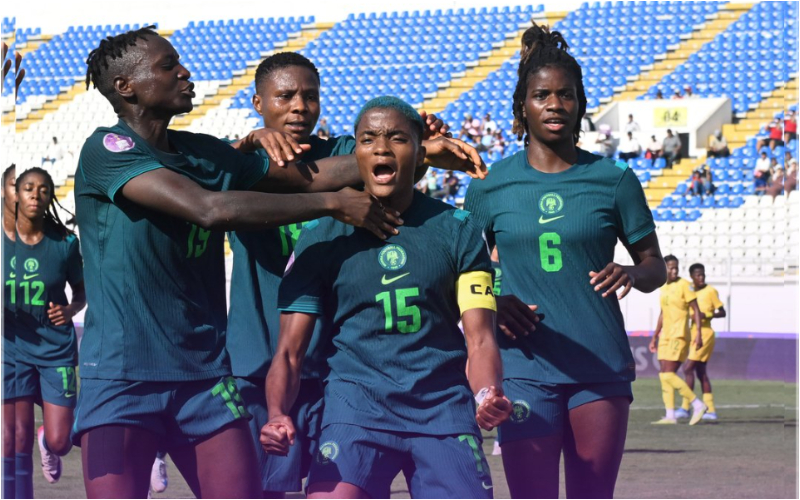
The Super Falcons of Nigeria once again proved why they remain the dominant force in African women’s football, defeating Banyana Banyana of South Africa 2-1 in a vibrant semi-final clash to book a spot in the 2024 Women’s Africa Cup of Nations (WAFCON) final.
But beyond the drama and the goals, it was the tactical brilliance of head coach Justin Madugu that made the difference on the day.
ALSO READ: Super Falcons defeats South Africa soar into WAFCON final
Goals from Rasheedat Ajibade (44’ pen) and Michelle Alozie (90+4’) gave Nigeria the edge, despite Linda Motlhalo’s equaliser from the penalty spot in the 59th minute.
Behind the result were five tactical strategies that shaped the Super Falcons’ victory.
1. 4-3-3 Formation Gave Midfield Supremacy
Coach Madugu opted for a classic 4-3-3 formation, designed to establish midfield dominance and ensure flexible attacking options. With three midfielders tightly controlling the tempo and transition phases, Nigeria successfully neutralised South Africa’s central creativity.
ALSO READ: Maduka Okoye: Super Eagles goalkeeper banned from football
2. Defensive Solidity Was Non-Negotiable
From the first whistle, the Super Falcons’ backline showed discipline and organisation.
Even under pressure following the equaliser, Nigeria’s defence held strong, providing a platform for the team to build forward momentum late in the game.
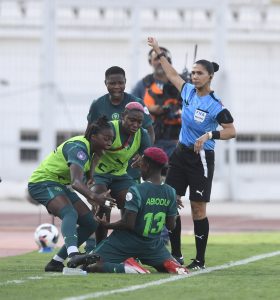
3. Rapid Transitions Unlocked South Africa’s Shape
Madugu emphasised quick transitions, which proved effective in catching South Africa off guard. Each time Nigeria regained possession, the team shifted rapidly from defence to attack, using the pace of Ajibade to exploit spaces behind the South African backline.
This tactic disrupted South Africa’s rhythm and was particularly vital in the build-up to the late winner.
4. Targeted Wing Play Created Openings
Nigeria’s wing play was important in breaking South Africa’s defensive block.
The wingers consistently stretched the field, dragging defenders wide and creating channels for midfielders to exploit.
ALSO READ: Lagos set to make history as First African to host of E1 Racing Championship
Alozie, in particular, combined her defensive duties with dangerous overlapping runs, culminating in her match-winning strike in added time.
5. Ruthless Finishing Made the Difference
While both teams had chances, it was Nigeria’s clinical finishing that settled the score. Rasheedat Ajibade made no mistake from the penalty spot, while Michelle Alozie’s last-gasp finish demonstrated the importance of sharp decision-making in front of goal.