


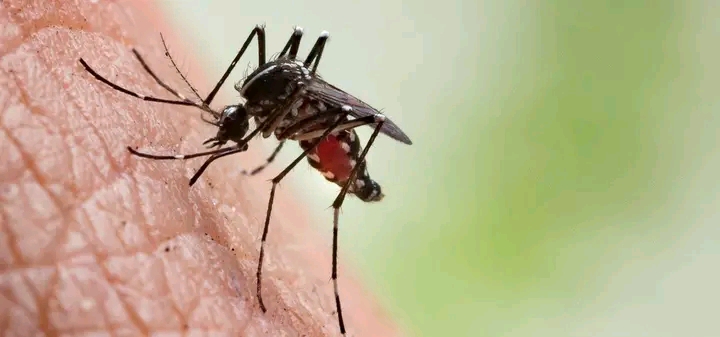
The swift expansion of Anopheles stephensi, an invasive mosquito species linked to malaria, is sparking new concerns among scientists and public health officials throughout Africa.

Unlike many malaria-carrying mosquitoes that thrive in rural regions, Anopheles stephensi flourishes in urban settings, breeding in artificial water sources around homes and cities. Its adaptability to densely populated areas has raised alarms that it could reignite malaria in regions that have made significant strides in disease control.

PAY ATTENTION: Follow The Lagos Voice on WhatsApp channel for latest updates
Health professionals are particularly anxious because this mosquito has developed resistance to nearly all existing insecticides, rendering many standard mosquito control strategies less effective.
This escalating resistance is driving researchers to intensify their search for alternative solutions, which may include biological control techniques, genetic innovations, and the creation of new insecticides.

Experts highlight that international cooperation will be essential in managing the spread of this invasive species and preventing an increase in malaria cases across the continent.