


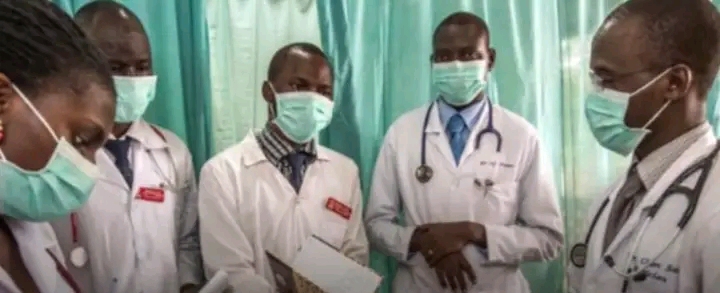
Experts have raised alarms about a critical healthcare workforce crisis in Nigeria, where only about 55,000 doctors are serving a population exceeding 220 million people.

At a conference in Lagos, medical professionals highlighted that the situation has deteriorated due to the mass exodus of healthcare workers, with more than 16,000 Nigerian doctors leaving the country in the past five years for better opportunities abroad.
🚀 Don't Miss Out!
Latest jobs • Scholarships • Grants • Internships • Career tips
(Naija + worldwide) — delivered daily on our WhatsApp Channel.
Professor Omoti Ernest, the President of the Nigerian Medical Association (NMA), stated that despite over 130,000 doctors being registered with the Medical and Dental Council of Nigeria, only around 55,000 are actively practicing in the nation.
This results in a doctor-to-population ratio of approximately one doctor for every 3,600 to 4,000 people, which is significantly lower than the World Health Organization’s recommended ratio of one doctor for every 600 individuals.
The ongoing brain drain has caused significant staff shortages, increased workloads for remaining healthcare workers, longer patient wait times, and a decline in the quality of care, particularly in underserved areas.
🔔 OFFICIAL CHANGE OF NAME MADE EASY!
Avoid delays and rejection — let professionals handle your publication quickly and stress-free.
We help you publish your change of name in:
📰 Punch Newspaper
📰 Vanguard Newspaper
📰 Other Top National Newspapers
✨ Why Choose Us?
- ✔️ Quick turnaround (3 days)
- ✔️ Budget-friendly packages
- ✔️ Reliable & trusted service
PAY ATTENTION: Follow The Lagos Voice on WhatsApp channel for latest updates
Mental health professionals have also expressed concerns, noting that the shortage is hindering access to psychiatric care, with fewer than 150 psychiatrists available for millions of Nigerians, leaving many individuals with mental health issues untreated.
Experts have identified several reasons for the departure of doctors, including low salaries, poor working conditions, insecurity, limited career advancement opportunities, and insufficient investments in healthcare infrastructure.
They are calling on the government to enhance welfare packages, improve medical facilities, and establish better incentives to keep healthcare professionals in Nigeria.