


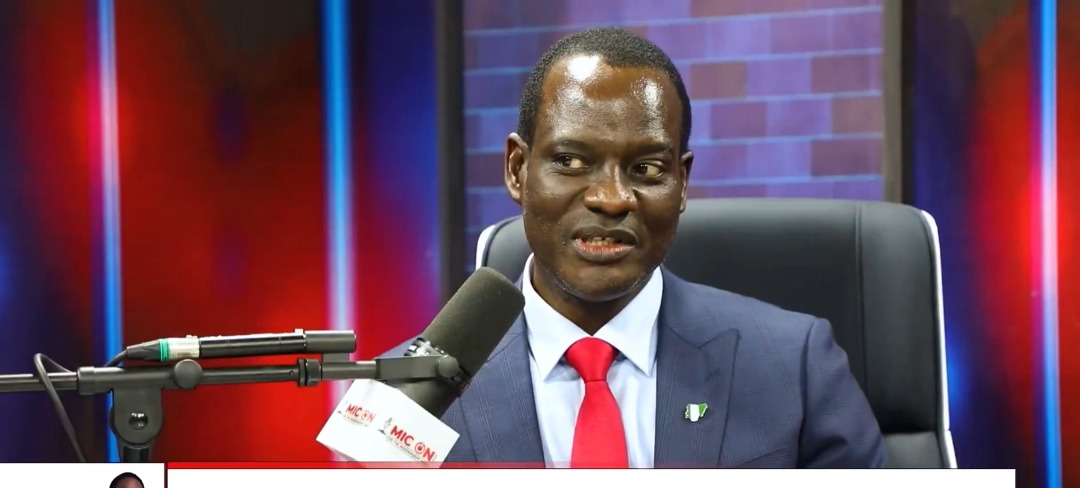
The Chairman of the Presidential Committee on Fiscal Policy and Tax Reforms, Taiwo Oyedele, has stated that pastors, imams, and other religious workers in Nigeria are legally required to pay personal income tax on their earnings.

Oyedele clarified during an appearance on the “Mic On” podcast, where he addressed widespread misconceptions surrounding taxation within religious institutions.
🚀 Don't Miss Out!
Latest jobs • Scholarships • Grants • Internships • Career tips
(Naija + worldwide) — delivered daily on our WhatsApp Channel.
According to him, while churches, mosques, and other faith-based organisations enjoy tax exemptions regarding their core religious activities, this privilege does not extend to the individuals they employ.
“What the law says is that the church and the mosque will not pay tax unless they start doing business as an institution or organization,” Oyedele explained.
PAY ATTENTION: Follow The Lagos Voice on WhatsApp channel for latest updates
🔔 OFFICIAL CHANGE OF NAME MADE EASY!
Avoid delays and rejection — let professionals handle your publication quickly and stress-free.
We help you publish your change of name in:
📰 Punch Newspaper
📰 Vanguard Newspaper
📰 Other Top National Newspapers
✨ Why Choose Us?
- ✔️ Quick turnaround (3 days)
- ✔️ Budget-friendly packages
- ✔️ Reliable & trusted service
He stressed that once a religious body hires people and pays salaries or allowances, those workers are subject to the same tax requirements as employees in any other sector.
Oyedele noted that religious workers perform duties comparable to employees in regular establishments, even though their work is often viewed as sacred or spiritual.
“Anybody they pay—whether it’s the pastor, whether it’s the choir—these people are just working. It just happens that they are working in God’s vineyard,” he said.
He added that income earned from such roles falls squarely under the Personal Income Tax Act, meaning individuals must remit taxes through the Pay-As-You-Earn (PAYE) system or direct assessment, depending on their level of engagement.
The reform chairman emphasised that the clarification forms part of the government’s broader effort to improve tax literacy, strengthen compliance, and reduce misinformation within the system.