


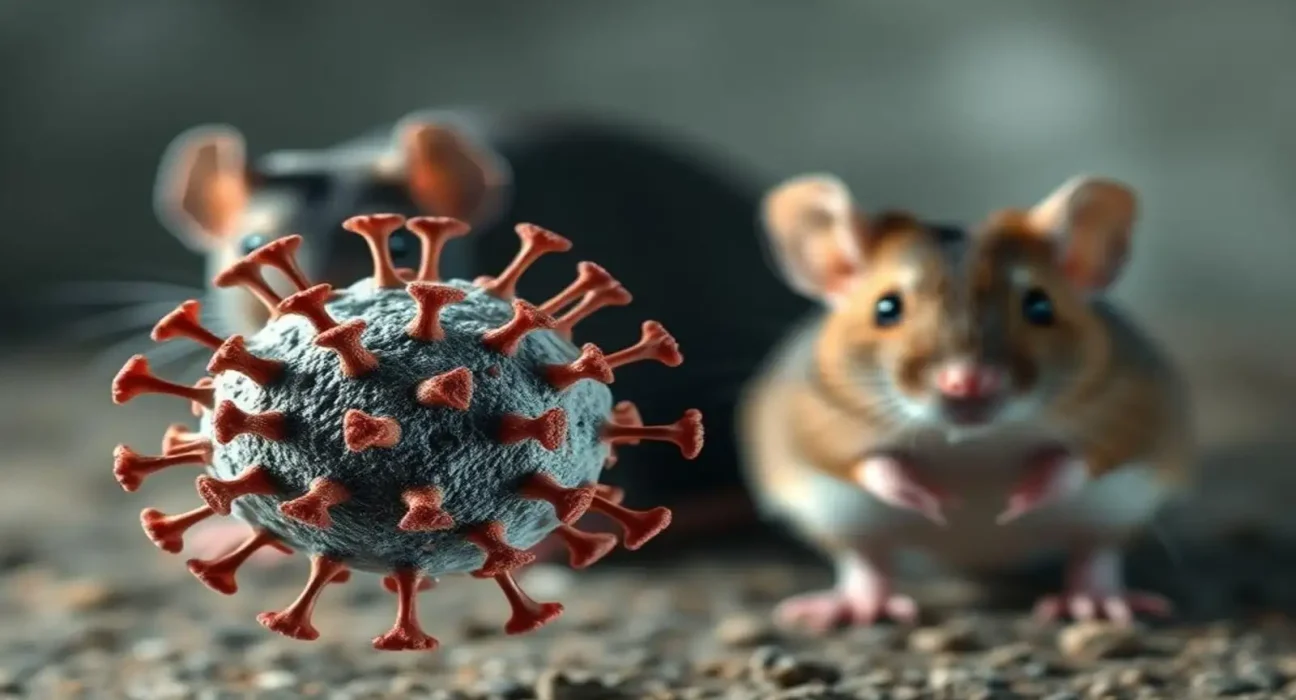
Hantavirus is a serious and potentially life-threatening group of viruses that continues to capture public attention due to its high fatality rates and association with rodents.

While infections remain relatively rare, recent high-profile incidents, such as the 2026 hantavirus outbreak on a cruise ship off West Africa that resulted in multiple deaths, have heightened global awareness.
🚀 Don't Miss Out!
Latest jobs • Scholarships • Grants • Internships • Career tips
(Naija + worldwide) — delivered daily on our WhatsApp Channel.
PAY ATTENTION: Follow The Lagos Voice on Facebook and WhatsApp channel for latest updates
This article draws from authoritative sources, including the U.S. Centres for Disease Control and Prevention (CDC), World Health Organisation (WHO), Mayo Clinic, and other public health bodies to provide accurate, up-to-date information as of 2026.
What Is Hantavirus?
Hantaviruses are a family of viruses belonging to the Hantaviridae family (genus Orthohantavirus). They are zoonotic, meaning they are transmitted from animals to humans. Unlike many viruses, hantaviruses do not typically cause disease in their rodent hosts, which act as natural reservoirs.
🔔 OFFICIAL CHANGE OF NAME MADE EASY!
Avoid delays and rejection — let professionals handle your publication quickly and stress-free.
We help you publish your change of name in:
📰 Punch Newspaper
📰 Vanguard Newspaper
📰 Other Top National Newspapers
✨ Why Choose Us?
- ✔️ Quick turnaround (3 days)
- ✔️ Budget-friendly packages
- ✔️ Reliable & trusted service
However, when the virus spills over to humans, it can cause severe illness.
There are two primary clinical syndromes associated with hantavirus infections:
- Hantavirus Pulmonary Syndrome (HPS) — Predominant in the Americas (New World hantaviruses). This form primarily attacks the lungs, leading to severe respiratory distress.
- Hemorrhagic Fever with Renal Syndrome (HFRS) — More common in Europe and Asia (Old World hantaviruses). This affects the kidneys and can cause bleeding and organ failure.
PAY ATTENTION: Follow The Lagos Voice on Facebook and WhatsApp channel for latest updates
Hantaviruses are RNA viruses that are highly stable in the environment under certain conditions, surviving in rodent droppings, urine, and saliva for days to weeks, especially in cool, moist environments.
How Does a Person Get Hantavirus?
The primary mode of transmission is through contact with infected rodents or their excreta.
Humans do not typically transmit the virus to others, with one notable exception: the Andes virus in South America, which has documented (though rare) person-to-person transmission.
Common Transmission Routes:
- Inhalation (most common): Aerosolized particles from rodent urine, droppings, or saliva become airborne when disturbed (e.g., during sweeping, vacuuming, or cleaning).
- Direct contact: Touching contaminated surfaces and then touching the mouth, nose, or eyes.
- Bites or scratches: From infected rodents.
- Rarely: Ingestion of contaminated food or water.
Activities that increase risk include:
- Cleaning sheds, barns, cabins, or attics that have been closed for long periods.
- Camping or living in areas with high rodent populations.
- Agricultural work or construction that disturbs rodent habitats.
Which Animals Carry Hantavirus?
Rodents are the primary carriers. Each hantavirus strain is typically associated with a specific rodent species:
- Deer mouse (Peromyscus maniculatus) — Main carrier of Sin Nombre virus (most common cause of HPS in North America).
- White-footed mouse, Cotton rat, Rice rat — Other carriers in the Americas.
- Norway rat and Black rat — Associated with Seoul virus (can cause HFRS and has been found worldwide).
- Bank voles, Striped field mice, and others in Europe and Asia.
Important note: Pet rodents (hamsters, gerbils, guinea pigs) and common household pets or livestock generally do not carry hantaviruses.
PAY ATTENTION: Follow The Lagos Voice on Facebook and WhatsApp channel for latest updates
Rodents shed the virus in their urine, droppings, and saliva throughout their lives, often without showing symptoms.
Symptoms of Hantavirus Infection
Symptoms typically appear 1 to 8 weeks after exposure (incubation period).Early Symptoms (Flu-like phase, lasting 3–5 days):
- High fever (above 101°F / 38.3°C)
- Severe muscle aches (especially large muscles in back, hips, thighs)
- Fatigue and weakness
- Headaches
- Chills
- Dizziness
- Nausea, vomiting, diarrhea, and abdominal pain
Later Symptoms (Cardiopulmonary phase for HPS):
- Shortness of breath
- Persistent dry cough
- Tightness in the chest
- Fluid buildup in the lungs (pulmonary edema)
- Low blood pressure and shock
In HFRS, symptoms progress to kidney failure, bleeding, and low blood pressure.
PAY ATTENTION: Follow The Lagos Voice on Facebook and WhatsApp channel for latest updates
The disease can progress rapidly, sometimes within hours — from mild symptoms to life-threatening respiratory failure. Early medical intervention is critical.
Can Someone Survive Hantavirus?
Yes, but survival is not guaranteed. Fatality rates vary significantly:
- HPS (Americas): 30–50% fatality rate, even with intensive care.
- HFRS (Europe/Asia): Generally lower, around 1–15%, depending on the strain.
Survivors often require hospitalization, oxygen support, mechanical ventilation, and fluids. There is no specific antiviral treatment or vaccine widely available for most strains. Treatment is supportive care in an intensive care unit.
Full recovery can take weeks to months, with some patients experiencing lingering fatigue.
PAY ATTENTION: Follow The Lagos Voice on Facebook and WhatsApp channel for latest updates
Prompt recognition of symptoms and seeking immediate medical care significantly improves outcomes.
Do We Have Hantavirus in Nigeria?
Hantavirus is not considered endemic in Nigeria or most parts of West Africa in the same way as Lassa fever (another rodent-borne virus).
However:
- Rodents capable of carrying hantaviruses (such as rats) are widespread across Nigeria.
- Serological evidence and occasional cases have been reported in parts of Africa, though large-scale outbreaks are rare.
- Global travel means imported cases or awareness from international incidents (like the 2026 cruise ship outbreak off Cape Verde) can raise local concerns.
Nigeria’s health authorities, including the Nigeria Centre for Disease Control (NCDC), primarily focus on Lassa fever, which presents with overlapping symptoms.
PAY ATTENTION: Follow The Lagos Voice on Facebook and WhatsApp channel for latest updates
Any suspected unusual respiratory or hemorrhagic illness linked to rodent exposure should prompt testing. Public health experts recommend treating rodent infestations seriously regardless of confirmed local circulation.
How to Prevent Hantavirus Infection
Prevention is the best defense, as there is no vaccine or specific cure. Key Prevention Strategies:
- Rodent-proof your home: Seal cracks and holes larger than ¼ inch. Use steel wool or metal flashing.
- Eliminate food sources: Store food in airtight containers. Keep trash in sealed bins. Clean up spills immediately.
- Reduce nesting sites: Keep yards clear of debris, woodpiles, and tall grass. Elevate firewood.
- Safe trapping: Use snap traps; avoid glue traps that leave live rodents.
- Ventilate before cleaning: Open windows and doors for 30–60 minutes to air out closed spaces.
- Use protective gear when in high-risk areas (farms, sheds, campsites).
How to Avoid Hantavirus When Cleaning Rodent Droppings (Critical Safety Guide)
This is one of the highest-risk activities for infection. Never sweep or vacuum dry droppings, as this aerosolizes the virus. CDC-Recommended Wet Cleaning Method (Step-by-Step):
- Prepare: Ventilate the area for at least 30 minutes. Wear rubber/plastic gloves, an N95 mask (or higher), and protective clothing. Cover cuts or wounds.
- Disinfect: Mix a 10% bleach solution (1.5 cups bleach per gallon of water) or use an EPA-registered disinfectant. Spray urine, droppings, nests, and dead rodents thoroughly until soaked. Let it sit for 5–10 minutes.
- Clean Up: Use paper towels or rags to wipe up the material. Place everything in a sealed plastic bag. Dispose in the trash.
- Mop/Sanitize: Clean the area again with disinfectant. Do not use vacuums or brooms on contaminated areas.
- Dispose of Gear: Remove gloves last. Wash hands thoroughly with soap and water. Launder clothes in hot water.
PAY ATTENTION: Follow The Lagos Voice on Facebook and WhatsApp channel for latest updates
- For Heavy Infestations: Consider professional pest control and consult local health departments.
Additional Tips:
- Sunlight and UV light help inactivate the virus.
- For vehicles or cabins: Air out thoroughly and follow the same wet-cleaning protocol.
- After floods or storms (which drive rodents indoors), be extra vigilant.
Living with Rodents: Broader Public Health Context
Hantavirus is part of a larger group of rodent-borne diseases, including Lassa fever in West Africa, leptospirosis, and plague. Climate change, urbanization, and habitat disruption can increase human-rodent contact, potentially raising risks. Communities should invest in:
- Rodent population control programs
- Public education campaigns
- Improved housing and sanitation
- Rapid diagnostic capabilities in hospitals
When to Seek Medical Help
If you develop flu-like symptoms after potential rodent exposure (especially with breathing difficulties), seek emergency care immediately. Inform your doctor about any rodent contact. Early supportive treatment can be lifesaving.