


By Shittu Daniella Ayomiposi
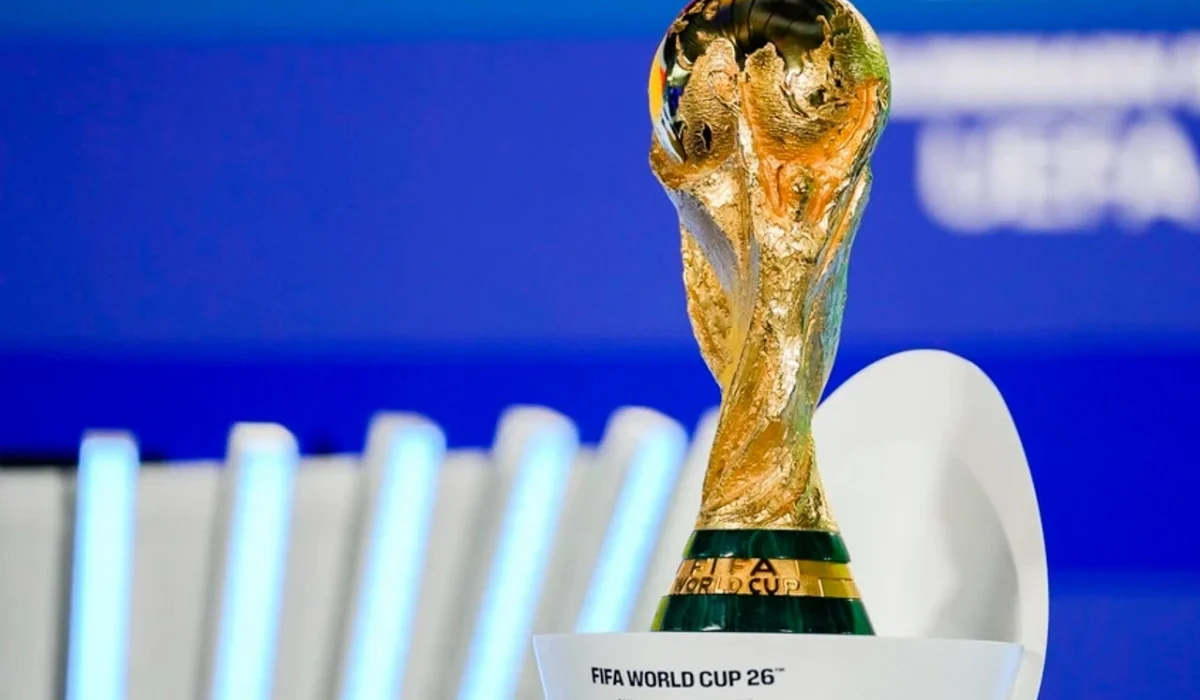
When FIFA announced that the 2026 FIFA World Cup would expand from 32 to 48 teams, the decision was hailed as a historic milestone. For many nations that had spent decades watching the tournament from afar, the expanded format offered a long awaited opportunity to compete on football’s biggest stage. More countries would qualify, more fans would have teams to support, and football’s global reach would grow even further.

However, as the tournament has progressed, a different conversation has begun to dominate football discussions. While the expansion has created opportunities for emerging football nations, critics argue that it has also exposed a noticeable gap in quality between the world’s elite teams and those still developing. The question is now unavoidable: has FIFA’s 48-team World Cup improved football, or has it watered down the game’s most prestigious competition?
One of the strongest arguments in favour of the expanded tournament is inclusion. Football is the world’s most popular sport, yet for many years only 32 nations had the privilege of participating in the World Cup. Entire generations of talented players from smaller football nations retired without ever experiencing the tournament because qualifying was simply too difficult.
PAY ATTENTION: Follow The Lagos Voice on Facebook and WhatsApp channel for latest updates
The expansion has changed that reality. More countries from Africa, Asia, North America and Oceania have earned places at the World Cup, giving millions of supporters a reason to celebrate. For many nations, qualification itself is a historic achievement capable of inspiring young footballers, attracting investment and encouraging governments to improve sporting infrastructure.
Africa, in particular, has benefited significantly. With more qualification slots available, several countries that previously fell just short have now experienced the World Cup. This exposure could prove invaluable in raising the standard of football across the continent in the years ahead.
The expanded competition has also delivered some memorable moments. Underdogs have challenged traditional football powers, lesser known players have introduced themselves to the world, and new football cultures have captured global attention. These stories remind fans that one of the World Cup’s greatest strengths has always been its unpredictability.
Yet the expansion has not been without criticism.
One of the biggest concerns is the growing difference in quality between competing nations. While several new participants have impressed, others have struggled to compete against football’s established giants. Some matches have been heavily one-sided, leading critics to argue that expanding the tournament has produced fixtures that lack the intensity and competitiveness expected at the highest level.
Another concern is player welfare. Modern footballers already face demanding club schedules that include domestic leagues, continental competitions and international fixtures. Adding more World Cup matches increases physical and mental demands on players who are already playing close to their limits. Fatigue, injuries and burnout are becoming increasingly common, prompting questions about whether football’s calendar has become too crowded.
There is also the issue of qualification itself. Reaching the World Cup was once considered one of football’s greatest achievements. With more places now available, some argue that qualification has become less exclusive. While this gives more nations opportunities, critics believe it has reduced the prestige that once came with earning a place at the tournament.
PAY ATTENTION: Follow The Lagos Voice on Facebook and WhatsApp channel for latest updates
Financial considerations have also fuelled debate. More teams naturally mean more matches, higher television audiences, increased sponsorship opportunities and greater commercial revenue. Although FIFA maintains that the expansion is designed to develop football globally, many observers believe the financial benefits played an equally important role in the decision.
Nevertheless, it would be unfair to judge the expanded tournament solely by the number of one-sided matches. Every World Cup has produced surprise results, unexpected eliminations and unforgettable underdog stories. Football continues to prove that reputation alone does not guarantee success. Smaller nations are becoming more organised, tactically disciplined and technically gifted, narrowing the gap between themselves and the traditional football powers.
The expanded World Cup may even accelerate this progress. Nations that gain experience at this level are more likely to invest in youth development, coaching, infrastructure and grassroots football. The lessons learned today could produce stronger teams in future tournaments, making the competition even more balanced over time.
For Africa, the new format represents both an opportunity and a responsibility. More qualification places should not simply be viewed as an easier route to the World Cup. Instead, they should motivate football federations to improve administration, invest in youth academies and prepare teams capable of challenging for the title rather than merely participating.
PAY ATTENTION: Follow The Lagos Voice on Facebook and WhatsApp channel for latest updates
Ultimately, whether the 48-team World Cup succeeds will not be determined by the number of participating countries but by the quality of football it produces in the years ahead. If emerging nations continue to develop and become genuine contenders, history may look back on this expansion as one of FIFA’s greatest decisions. If the tournament becomes increasingly filled with predictable, one-sided contests, critics will argue that football sacrificed quality in pursuit of growth.
For now, the debate remains open.
The 48-team World Cup has undoubtedly made football more inclusive and given millions of fans around the world the chance to experience the excitement of the biggest tournament in sport. At the same time, concerns about competitiveness, player welfare and commercialisation cannot be ignored.
Perhaps the real answer lies somewhere in between. The expanded World Cup has not ruined football, nor has it solved every challenge facing the game. It has simply ushered in a new era one that will ultimately be judged not by the size of the tournament, but by the legacy it leaves behind.