

By Matthew Ogunwale
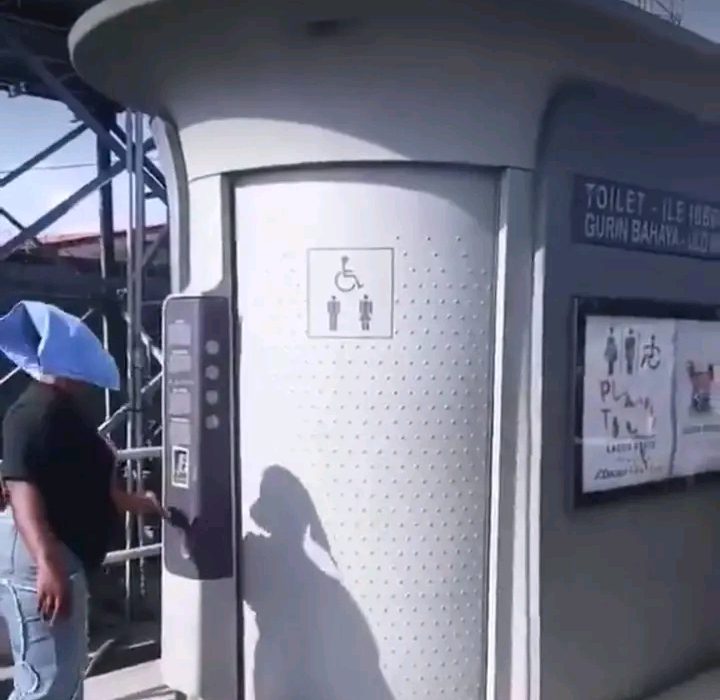
The Lagos State Government has reaffirmed its commitment to ending open defecation and improving public hygiene, announcing that no fewer than 1,710 public toilets are currently operational across the state.

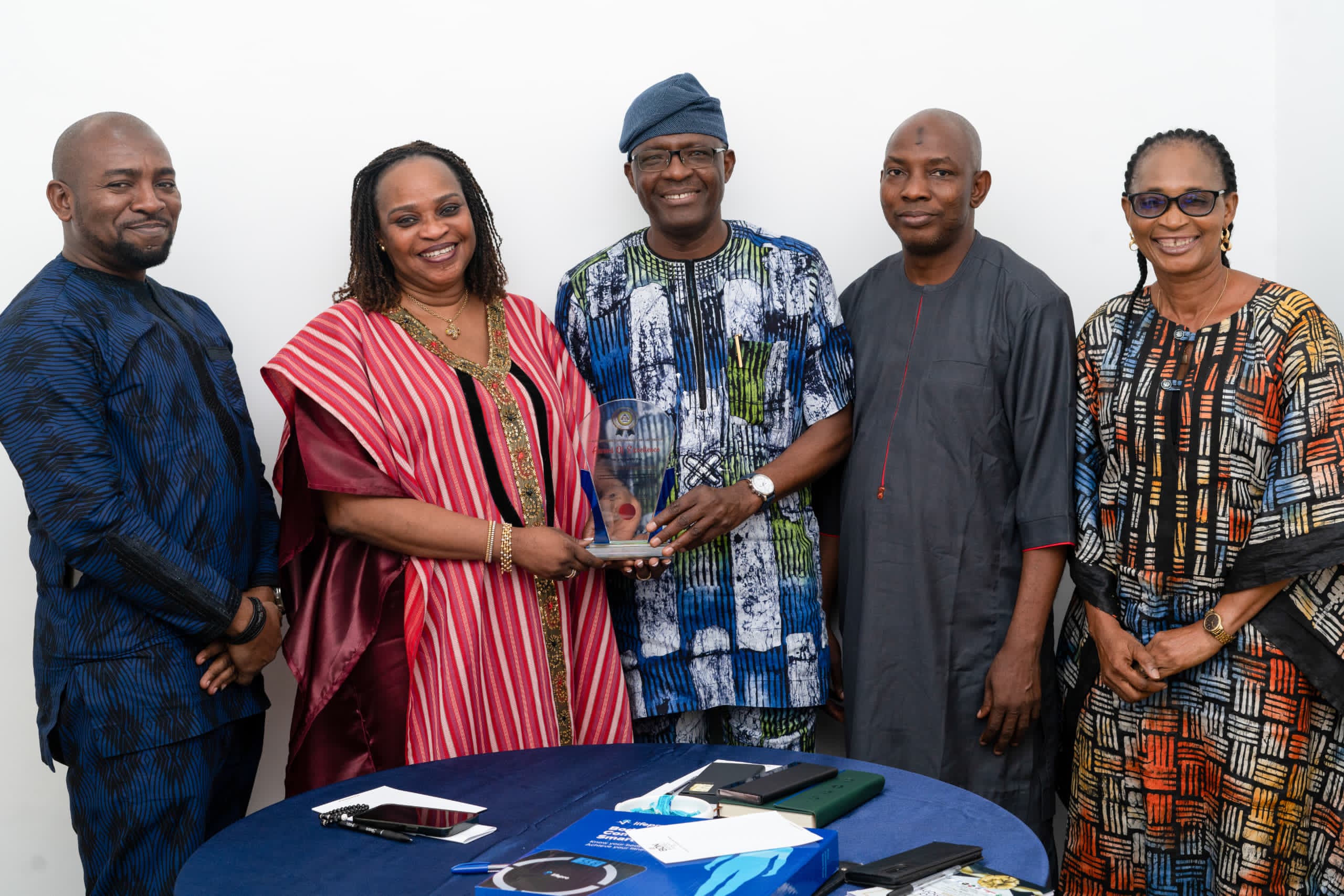
Commissioner for the Environment and Water Resources, Tokunbo Wahab, made this known in a renewed call for collective action, stressing that while the government has made significant investments in sanitation infrastructure, broader participation from the private sector and residents remains essential.
According to Wahab, the public toilet facilities have been strategically distributed across Lagos to serve both residents and visitors.
However, he noted that the scale of the sanitation challenge requires a more collaborative approach beyond government intervention.
“The government cannot do this alone,’ he stated, urging businesses such as filling stations, banks, eateries, and other customer-facing establishments to open up their restrooms for public use where feasible.
He explained that such cooperation would greatly expand access to sanitation facilities and reduce the prevalence of open defecation in densely populated areas.
PAY ATTENTION: Follow The Lagos Voice on WhatsApp channel for latest updates
The commissioner also emphasized that enforcement of environmental laws remains a critical part of the strategy. He disclosed that individuals found engaging in open defecation are being apprehended and prosecuted in line with existing regulations.
‘These measures are necessary to protect public health, preserve human dignity, and ensure a cleaner Lagos for everyone,’’ Wahab said.
The renewed push aligns with growing concerns raised in a recent special report by The Lagos Voice titled ‘’Mega City, Mega Mess: Why Open Defecation Still Plagues Lagos.’ The report highlighted persistent gaps in sanitation access, rapid urban population growth, and the strain on existing infrastructure as key factors driving the practice in parts of the state.
While acknowledging government efforts, the report pointed out that behavioural change, improved maintenance of facilities, and stronger community engagement are equally crucial to achieving lasting results.
Wahab’s latest remarks appear to directly respond to these concerns, framing sanitation as a shared responsibility that requires active participation from all stakeholders. He reiterated that while the state will continue to expand infrastructure, the role of citizens and businesses in maintaining cleanliness cannot be overstated.
‘Access to sanitation is a shared responsibility,” he added. “We must all play our part to keep Lagos clean, safe, and habitable.’
With enforcement tightening and collaboration being prioritised, the Lagos State Government hopes to make meaningful progress toward its goal of becoming an open defecation-free city, an ambition that remains central to its vision of a sustainable mega-city.