


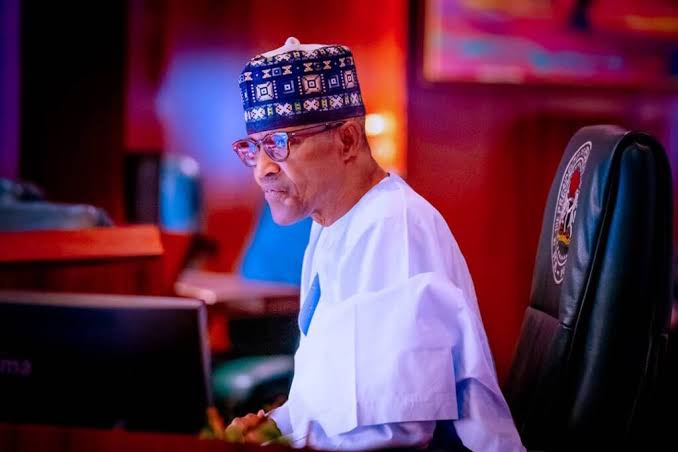
The news of former President Muhammadu Buhari’s passing in London has triggered an outpouring of grief, reflection, and mixed emotions across Nigeria. Whether loved or criticised, Buhari was a towering figure in Nigeria’s military and democratic history, a man whose influence spanned decades.
ALSO READ: Former President Muhammadu Buhari is dead

As Nigerians mourn his loss, here are five things many Nigerians will miss about President Muhammadu Buhari, GCFR:
1. His Anti-Corruption Stance
One of Buhari’s most defining traits and indeed the backbone of his political messaging was his zero tolerance for corruption.
From his early days as a military ruler in the 1980s to his two-term civilian presidency (2015–2023), Buhari was widely perceived as a leader who prioritized integrity, discipline, and financial prudence.
ALSO READ: ‘Your votes spoke clearly and decisively’ — Olowa hails electorate
Nigerians will remember his “If we don’t kill corruption, corruption will kill us” mantra, which became a national slogan. Under his administration, the EFCC and ICPC were visibly active, recovering billions in stolen assets and prosecuting high-profile individuals.
While critics argued that the anti-graft war was selective, supporters praised him for attempting to sanitise Nigeria’s public space and for setting a standard that future leaders will be judged by.
2. Massive Infrastructure Drive
During his presidency, Buhari launched several ambitious infrastructure projects under his “Next Level” agenda.
Nigerians will miss his long-term focus on national infrastructure, especially in transport and energy.
Some notable projects include:
Second Niger Bridge – Completed after decades of failed promises.
Lagos-Ibadan Expressway – Expanded and rehabilitated.
Abuja–Kaduna–Kano Rail Line – One of several rail initiatives revived under his watch.
Zungeru and Kashimbilla Power Projects – Boosting Nigeria’s energy grid.

Buhari may not have been a charismatic speaker, but his infrastructure push left visible marks across all geopolitical zones.
3. His Simplicity and Personal Discipline
Whether as a military leader or a civilian president, Muhammadu Buhari was known for his spartan lifestyle, austere habits, and “no-nonsense” personal discipline.
Unlike many of his peers, he kept a low profile in personal luxury and was often described as a modest, frugal leader.
ALSO READ: NYCN congratulates Hon. Rasaki Bamidele Kasali on Re-election as Chairman of Lekki LCDA
His image as a man of personal integrity and religious devotion resonated particularly with the northern region and among Nigeria’s Muslim population, who viewed him as an embodiment of piety and leadership by example.
4. National Security as a Priority (Even if Contested)
One area where Buhari’s leadership drew both praise and criticism was security. Coming into power with a promise to end Boko Haram, he launched major counter-insurgency operations in the North-East.
Under Buhari, the military reclaimed many territories previously held by insurgents, and the decimation of Boko Haram leadership was widely publicized. He also invested in modernizing the Nigerian Armed Forces, providing new aircraft, tanks, and naval assets.
ALSO READ: How to check Lagos Local Government Election Results in 2025
However, his administration also saw a spike in banditry, farmer-herder clashes, and kidnapping in parts of the country — leading to heated national debates.
Still, many Nigerians will remember his military-first approach, driven by his background as a former Army General.
5. His Role as a Symbol of Continuity in Nigerian Democracy
Buhari’s presidency signaled something rare in Nigeria’s history, a peaceful transition from opposition to power, when he defeated the incumbent Goodluck Jonathan in 2015. It was the first time in Nigeria’s democratic history that a sitting president was unseated through the ballot.
He would go on to serve two full terms and willingly hand over power in 2023, reinforcing Nigeria’s democratic maturity.
Despite political differences, Buhari earned global praise for respecting constitutional limits and playing the role of a stabilizing elder statesman after his exit from Aso Rock.
ALSO READ: Fake Scholarships and the Rise of Desperate Migration Among Nigerian Youths
Muhammadu Buhari’s legacy is complicated but consequential. While many Nigerians had divergent views on his policies, few can deny that his imprint on national life remains significant.
Now that he has passed on at the age of 82, many will reflect on his ideals, his flaws, and his unwavering belief in a disciplined, sovereign, and united Nigeria


