

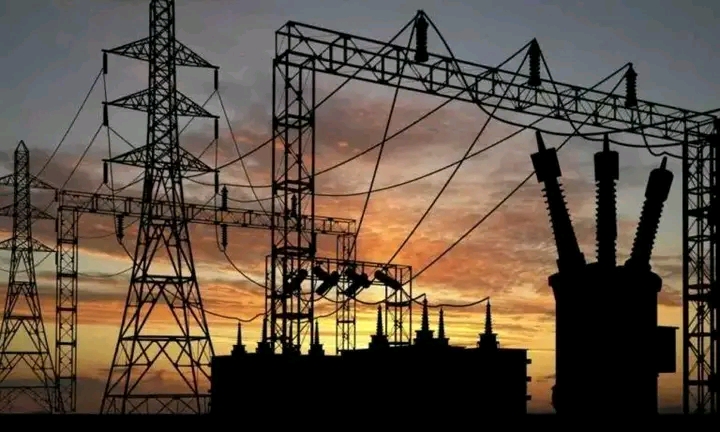
Nigeria experienced a widespread power outage on Monday, December 29, 2025, due to a sudden failure of the national power grid, leading to extensive blackouts across multiple states and major cities.

Data from the Nigerian Independent System Operator (NISO) indicated a significant drop in power generation, falling from 2,052.37 megawatts at around 2pm to only 139.92 megawatts by 3pm, highlighting a system-wide collapse.
🚀 Don't Miss Out!
Latest jobs • Scholarships • Grants • Internships • Career tips
(Naija + worldwide) — delivered daily on our WhatsApp Channel.
PAY ATTENTION: Follow The Lagos Voice on WhatsApp channel for latest updates
During the blackout, only three of Nigeria’s eleven electricity distribution companies (DisCos) received power. The Ibadan Electricity Distribution Company (IBEDC) got 80MW, while the Abuja Electricity Distribution Company (AEDC) and the Benin Electricity Distribution Company each received 20MW, totaling just 120MW supplied to DisCos. Other distribution companies, including Eko, Enugu, Ikeja, Jos, Kaduna, Kano, Port Harcourt, and Yola, received no electricity during the outage.
This disruption forced households, businesses, and public institutions to rely on alternative power solutions like generators and inverters.
🔔 OFFICIAL CHANGE OF NAME MADE EASY!
Avoid delays and rejection — let professionals handle your publication quickly and stress-free.
We help you publish your change of name in:
📰 Punch Newspaper
📰 Vanguard Newspaper
📰 Other Top National Newspapers
✨ Why Choose Us?
- ✔️ Quick turnaround (3 days)
- ✔️ Budget-friendly packages
- ✔️ Reliable & trusted service
As of now, neither the Transmission Company of Nigeria (TCN) nor the Nigerian Electricity Regulatory Commission (NERC) has released an official explanation for the grid failure or a timeline for restoring full power supply.
Nigeria’s power infrastructure has faced ongoing issues in recent years, often blamed on aging transmission systems, inadequate grid capacity, gas supply limitations, and operational difficulties. This latest incident has heightened public anxiety regarding the reliability of the country’s electricity network.