

By Esther Olatimehin

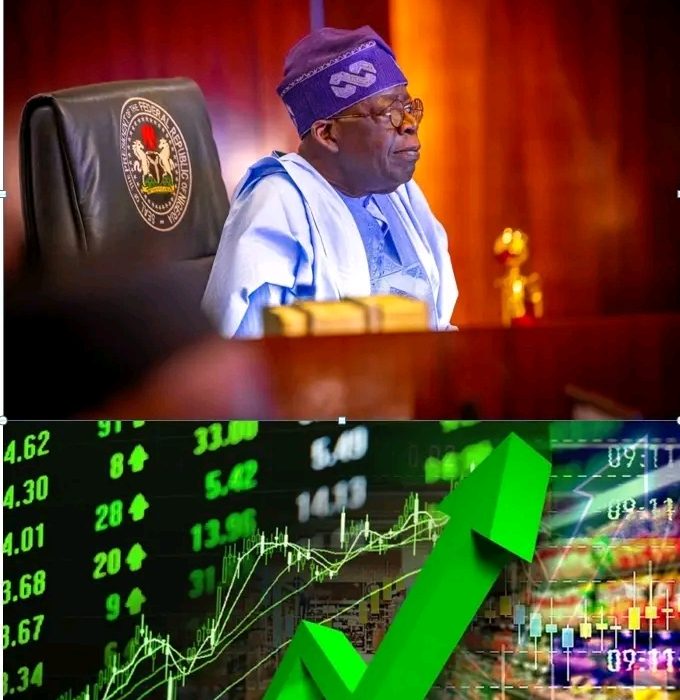
When President Bola Ahmed Tinubu declared during his inauguration speech on May 29, 2023, that “fuel subsidy is gone,” many Nigerians knew that the country was entering another difficult economic phase.
🚀 Don't Miss Out!
Latest jobs • Scholarships • Grants • Internships • Career tips
(Naija + worldwide) — delivered daily on our WhatsApp Channel.
The removal of fuel subsidy, alongside the floating of naira, was presented by the government as a bold economic reform aimed at rescuing Nigeria from years of financial instability and debt. However, nearly four years later, the average Nigerian is still asking the same question: why does the burden of reform always fall on ordinary citizens while political leaders continue to live comfortably?
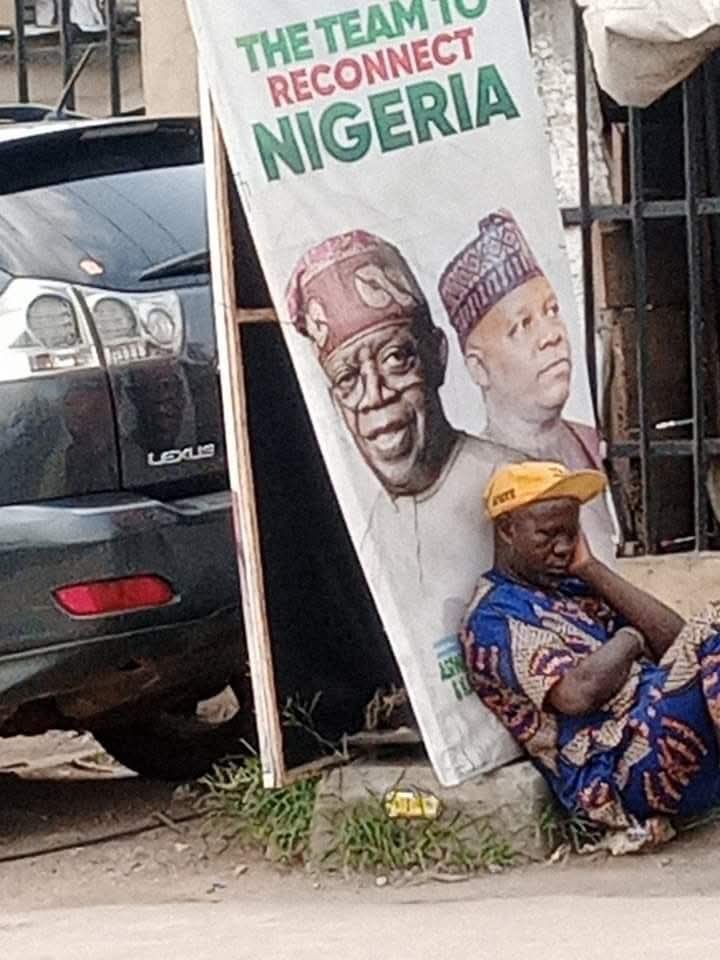
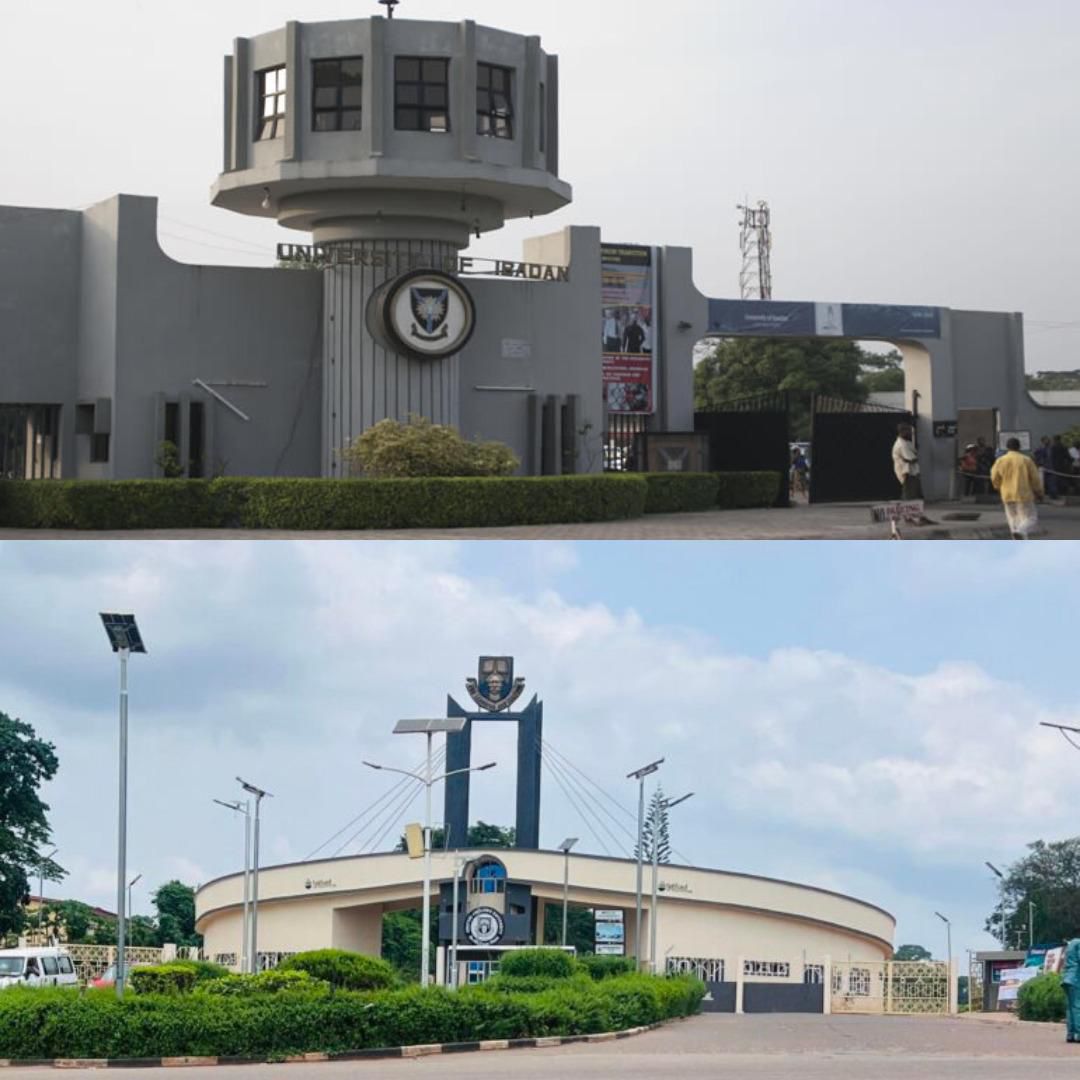
The cost of living crisis in Nigeria has gone beyond economic statistics. It is now visible in the daily lives of citizens. Transportation fares have increased drastically. Food prices continue to rise almost weekly. Rent, electricity tariffs, school expenses, and healthcare costs have become unbearable for many families. Students also struggle to survive on campuses, small businesses are shutting down, and workers are forced to rely on side hustles just to survive.
The Tinubu administration insists that the reforms are necessary for long-term growth. Government officials have repeatedly argued that past administrations, including those of former Presidents like Goodluck Jonathan and Muhammadu Buhari, spent trillions of naira sustaining a subsidy system plagued by corruption and inefficiency. Economists also argue that subsidy removal was inevitable if Nigeria hoped to stabilise its economy.
🔔 OFFICIAL CHANGE OF NAME MADE EASY!
Avoid delays and rejection — let professionals handle your publication quickly and stress-free.
We help you publish your change of name in:
📰 Punch Newspaper
📰 Vanguard Newspaper
📰 Other Top National Newspapers
✨ Why Choose Us?
- ✔️ Quick turnaround (3 days)
- ✔️ Budget-friendly packages
- ✔️ Reliable & trusted service
Yet, while citizens may understand the logic behind reforms, many do not understand the lack of empathy surrounding the government’s implementation. Nigerians are constantly urged to be patient and make sacrifices, but those in political power rarely appear to share in the hardship.
The reports of extravagant government spending have continued to dominate national conversations despite the worsening economic conditions of the country. In 2024, the National Assembly faced public criticism after approving billions of naira for luxury vehicles for lawmakers.
According to Premium Times, lawmakers defended the purchase of expensive SUVs despite nationwide hardship and public outrage over government spending priorities. At a time when millions of Nigerians struggle to afford transportation, such decisions appear disconnected from reality.
PAY ATTENTION: Follow The Lagos Voice on WhatsApp channel for latest updates
Similarly, the controversy surrounding the acquisition of a new presidential jet further intensified public frustration. According to BBC News, many Nigerians criticised the decision, arguing that purchasing a costly aircraft during an economic crisis contradicted government appeals for citizens to endure hardship. To struggling citizens, the message appeared clear that sacrifice is expected only from the masses.
The anger of the public also grew following reports that billions of naira were approved for the renovation of the vice president’s residence. According to TheCable, many Nigerians questioned why such expenditure was prioritised while inflation and hunger continued to worsen across the country.
These controversies have strengthened public perception that Nigeria’s political class remains disconnected from the suffering of the lower class. Civic organisations such as the Socio-Economic Rights and Accountability Project (SERAP) have repeatedly called for reductions in the cost of governance, arguing that leaders cannot demand sacrifice from citizens while maintaining extravagant lifestyles funded by public resources.
The Labour union have also voiced strong criticism. During protests over economic hardship and minimum wage negotiations, Nigeria Labour Congress (NLC) President Joe Ajaero argued that political leaders must also demonstrate sacrifice if they expect citizens to continue enduring economic pain. His statement mirrored the frustration of millions of Nigerians who believe the government’s reforms lack fairness and compassion.
This is not the first time fuel subsidy removal has sparked national outrage. In 2012, former President Goodluck Jonathan faced massive protests under the Occupy Nigeria movement after attempting similar reforms. At the time, many politicians who opposed Jonathan’s policies argued that citizens should not suffer for government inefficiency. Today, some of those same political figures defend comparable policies under President Tinubu’s administration.
The issue, therefore, is no longer simply about subsidy removal or exchange rates. It is about trust. Nigerians are willing to endure temporary hardship if they can see transparency, accountability, and visible improvements in their quality of life. Unfortunately, years of corruption, broken promises, and poor governance have weakened public confidence in leadership.
A nation cannot develop when survival becomes its citizens’ primary ambition. Young Nigerians should be discussing innovation, education, entrepreneurship, and national progress, not merely how to afford food and transportation. Economic reforms may indeed be necessary, but reforms without visible relief risk deepening public frustration and hopelessness.
With another presidential election approaching in 2027, the Tinubu administration is faced with increasing pressure to regain public confidence before Nigerians return to the polls. Above the policy explanations and public assurances, many citizens are demanding visible proof that the sacrifices imposed on them are producing tangible results.
The reduction of the cost of governance, cutting excessive spending among political office holders, improving public services, and prioritising citizens’ welfare would likely strengthen public trust more than repeated calls for patience.
Across the country, frustration continues to grow as many Nigerians struggle with rising food prices, transportation costs, and economic uncertainty. While humour on social media might have become a popular coping mechanism, beneath the jokes lies genuine exhaustion. As 2027 draws closer, economic hardship may become one of the defining issues shaping public opinion and political conversations.
The ability of the current administration to convince Nigerians that its reforms are both necessary and beneficial could play a huge role in determining how citizens respond at the ballot box.