


By Joan Olatunde

On a humid night in Lagos, 22-year-old student Ajayi Olasunkanmi sits under a dim rechargeable lamp, staring at his textbooks. He is preparing for an examination, working hard for a university degree in a country where even a first-class certificate no longer guarantees a job. Just a few miles away, another young person opens TikTok Live, screaming, mispronouncing basic English words on purpose, and receiving digital cash gifts worth thousands of Naira from cheering fans in minutes.
🚀 Don't Miss Out!
Latest jobs • Scholarships • Grants • Internships • Career tips
(Naija + worldwide) — delivered daily on our WhatsApp Channel.
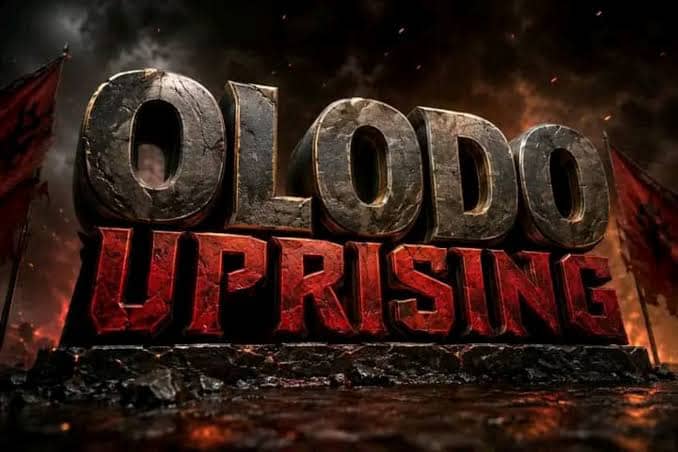
This sharp contrast sits right at the heart of Nigeria’s newest online debate: the “Olodo Uprising.”
The phrase became popular after Nigerian rapper Ycee spoke about it on The Afropolitan Podcast. He worried that society was starting to celebrate ignorance just because videos go viral. Ycee said: “This ‘Olodo’ uprising that we even have right now, it’s terrible. It feels like we are trying so hard to accommodate unintelligent people and ignorant people because we don’t want them to feel bad.”
PAY ATTENTION: Follow The Lagos Voice on WhatsApp channel for latest updates
🔔 OFFICIAL CHANGE OF NAME MADE EASY!
Avoid delays and rejection — let professionals handle your publication quickly and stress-free.
We help you publish your change of name in:
📰 Punch Newspaper
📰 Vanguard Newspaper
📰 Other Top National Newspapers
✨ Why Choose Us?
- ✔️ Quick turnaround (3 days)
- ✔️ Budget-friendly packages
- ✔️ Reliable & trusted service
He added: “It’s not even Yahoo culture anymore; now we have a ‘Peller culture.”
Ycee sparked the national conversation on The Afropolitan Podcast, asking whether society has shifted into a “Peller culture.”
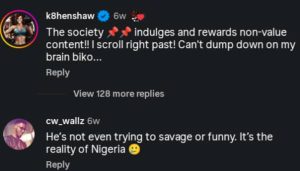
The video clip spread like wildfire on social media, sparking heated arguments among creators, students, and everyday workers. Under Ycee’s video, prominent figures and fans immediately took sides in the comment section.
Why Nigeria’s youths are questioning the value of merit
Is this new wave of loud, chaotic content really dumbing down our society, or is it just a quick way to laugh and survive in a tough country? For people who spend years studying or building real skills, watching chaotic videos to get instant money and fame can feel very discouraging.
You can feel this disappointment on university campuses across the country. Orina Samuel, a student who watches these viral clips online, told The Lagos Voice that it hurts to see people look down on school. “It is very wrong to discredit the efficiency of school,” Orina said. “Education is one of the compasses you’d use to navigate the complexities of this world.”
Ajayi Olasunkanmi admitted that seeing online creators buy luxury cars while boasting about dropping out of school messes with a student’s mind. “It can be discouraging sometimes, I won’t lie,” Ajayi told The Lagos Voice.
PAY ATTENTION: Follow The Lagos Voice on WhatsApp channel for latest updates
He added; “You spend years reading, writing exams, sacrificing sleep, then you open social media and see people saying school is unnecessary while showing expensive cars. It makes you question if you’re on the right path.” But Ajayi chooses to stay patient: “Knowledge is something nobody can take from you. I would rather build something I can be proud of than chase quick success.”
Spoken word artist, Testimony Kolapo echoed this frustration in a viral video, lamenting how society funds reality shows while brilliant minds are left behind.

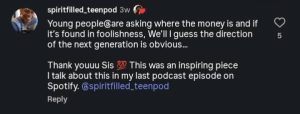
Viewers in the comment section quickly agreed, pointing out that young people are turning to foolishness because that is where the money seems to be.
Knowledge doesn’t get views: Content Creators fighting the Algorithm
However, it is not just students who feel this way. Educational and tech content creators are also struggling because social media algorithms prefer drama over informative content.
Abiola Susan, who creates skill-based videos, told The Lagos Voice that low views on educational posts make it hard to keep going. “It can be very discouraging actually,” Abiola said. “Sometimes I want to change my path and it kills my consistency.”
PAY ATTENTION: Follow The Lagos Voice on WhatsApp channel for latest updates
Oluwagbemiga Samuel, a 20-year-old tech content creator based in Ile-Ife, knows that temptation all too well. “There were months where my views were lower,” Oluwagbemiga told The Lagos Voice. “I’d see creators who do not have my level of expertise getting brand deals because they did a ‘trying to code for 24 hours and failing’ skit. The temptation is real because survival is real. Views pay rent.”
Instead of turning into a full-time prankster, Oluwagbemiga found a middle ground: “I’ll use a trending sound. I’ll add humor. But the video still has to teach a real, usable skill. I’d rather be remembered for changing 100 lives than be viral for 24 hours and forgotten.”
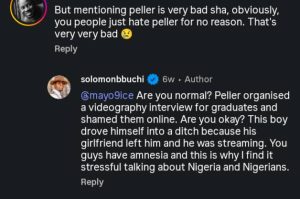
Social commentator Solomon Buchi also stepped in, criticizing how some viral creators use their platform to ridicule formal education.

Commentary discussing the friction between traditional corporate standards and the rise of viral creators.
In his comment section, Buchi reminded followers of instances where academic graduates were allegedly mocked online during viral job interviews.
Why online drama captures Nigeria’s attention
Ayodele Oluwaseun, a digital marketer, explained to The Lagos Voice why everyday Nigerians seem to prefer online drama over serious topics: “Nigeria can be a very stressful and depressing place, so people need drama and entertainment to lighten their mood. Intellectual innovation works, but somehow that’s what some people have been doing all their life without any tangible result, so it gets boring.”
Famous public voices agree with these concerns. Spoken word artist, Testimony Kolapo wrote in a viral video, “We sponsor Big Brother over a small brother who can become a major inventor with little support. Na olodo citizen dey become olodo leader.”
PAY ATTENTION: Follow The Lagos Voice on WhatsApp channel for latest updates
Social commentator Solomon Buchi also pointed out that society has normalized “brain-rot” content because it is easy to consume. Similarly, online creator Jumoke Shotonwa warned young people; “The problem starts when entertainment replaces development. In your 20s, it’s easy to chase what is loud, but what will carry you into your 30s, 40s and beyond is deeper.”

Why young Nigerians are choosing escape in the digital age
On the other side of the debate, defenders argue that calling these creators “olodos” misses the point. In a country facing high inflation and a lack of jobs, chaotic comedy is both a free stress reliever and a smart business move.
When Ycee’s podcast went viral, creators and supporters immediately hit back to defend their craft.
In the comment sections under these responses, everyday fans pointed out that the government and economic system are to blame, not the entertainment creators who bring joy.

Everyday users defend viral entertainment, urging critics to focus on government failures rather than attacking young creators.
For everyday citizens, these lighthearted videos are like a small shelter from daily struggles. Temitope Mayowa, a 20-year-old student living in Osun State, told The Lagos Voice why she tunes in: “Watching content like comedy or entertainment in general helps a lot. It helps in bringing me out of my current situation into a completely different realm. Educational or news pages are boring.”
Working adults who spend hours stuck in traffic after a long day at work feel the exact same way. One corporate worker explained to The Lagos Voice; “After a hectic day at work or school, I’m already exhausted. Upon getting home after facing traffic, my mental energy is drained. I want something that would relieve me of the stress. Without these contents, a lot of people would end up going through a whole lot.”
For the creators making these viral videos, acting wild or foolish on camera is a calculated business strategy. Wise Cracker, a content creator, who spoke to The Lagos Voice, explained why high-energy, chaotic content works so well: “In today’s world, people come online to look for a quick escape. In Nigeria today, we have a way of finding humor even in challenging periods. Creating crazy content is needed to get viewers and attention, doing something extraordinary, whereas to others, it may look absurd and stupid.”
The content creator went further to explain that social media is giving young people the financial freedom that traditional jobs have failed to provide. “Look at Peller, who didn’t have a formal education, look at the great number of funds he’s controlling,” the creator told The Lagos Voice.
PAY ATTENTION: Follow The Lagos Voice on WhatsApp channel for latest updates
He added, “Someone who has graduated for a number of years is not controlling the money Peller is controlling. Social media has created job opportunities that didn’t exist decades ago. Once you have your smartphone and you can be creative and consistent, you can build your audience, which has helped reduce unemployment.”
At the end of the day, the “Olodo Uprising” is not just about a few viral streamers making money on live video. It is a mirror showing us what Nigeria has become. When going to school and working a regular job no longer guarantees a comfortable life, young people will naturally look for alternative paths that offer quick survival and mental relief.
Until hard work, education, and genuine skill start paying off fairly in Nigeria, the loud, chaotic, and funny world of social media hustle will keep winning the crowd.