

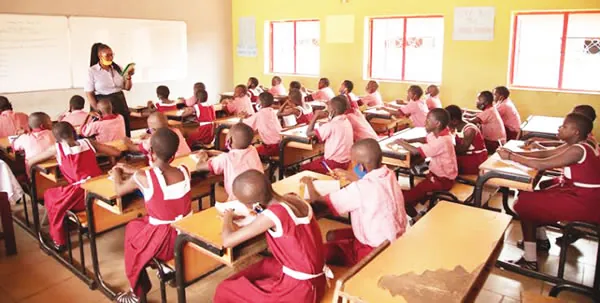
As the 2025/2026 school year begins across Nigeria, many parents are facing serious financial strain after private schools hiked tuition fees, some by as much as 100 per cent.

The increases come against a backdrop of soaring inflation, 21.88% in July 2025 according to the National Bureau of Statistics, which has made everyday life more difficult for many families.
🚀 Don't Miss Out!
Latest jobs • Scholarships • Grants • Internships • Career tips
(Naija + worldwide) — delivered daily on our WhatsApp Channel.
READ MORE: How To Register, Transfer, Or Replace Your PVC On INEC Portal
Beyond fees, expenses for textbooks, uniforms, and other essentials are also rising sharply, adding to the burden.
Personal Stories of Struggle
Some parents have shared how they are being forced to make difficult trade-offs. A single mother, identified as Ngozi Okoro, said she once took pride in sending her children to a reputable private school.
🔔 OFFICIAL CHANGE OF NAME MADE EASY!
Avoid delays and rejection — let professionals handle your publication quickly and stress-free.
We help you publish your change of name in:
📰 Punch Newspaper
📰 Vanguard Newspaper
📰 Other Top National Newspapers
✨ Why Choose Us?
- ✔️ Quick turnaround (3 days)
- ✔️ Budget-friendly packages
- ✔️ Reliable & trusted service
After a 30% fee increase last term, however, she has had to consider transferring them to a cheaper school to ease the financial pressure.
PAY ATTENTION: Follow The Lagos Voice on WhatsApp channel for latest updates
Another parent, Abuh Ameh, who has four children, said that each term brings anxiety: reminders about outstanding fees, fear of kids being sent home, and emotional distress.
In more extreme cases, parents are resorting to crowdfunding via social media or even selling treasured belongings just to ensure their children return to school.
Impact on Public vs Private Education
While many private school pupils are affected by fee hikes, public schools are also under pressure from poor infrastructure and frustrated teachers. In some areas, parents feel they have no choice but to accept substandard facilities or ineffective teaching because they cannot afford private alternatives.
Concern from Education Experts
Education experts warn that the fee rises risk exacerbating Nigeria’s education crisis. Michael Akor noted that Nigeria already has more than 17 million out-of-school children, one of the highest such figures globally.
ALSO READ: Eko Rice: Where to Buy, How to buy, Price, Tips for Getting the Best Price
High costs, he said, threaten to push more families out of the system entirely, limiting human capital development and hurting the country’s long-term workforce capacity.
A public affairs analyst, Mazi Christian Idoko, advised parents to choose schools within their means, rather than overstretching financially. He warned that ongoing tension and financial stress could cause even more hardship if not addressed.