


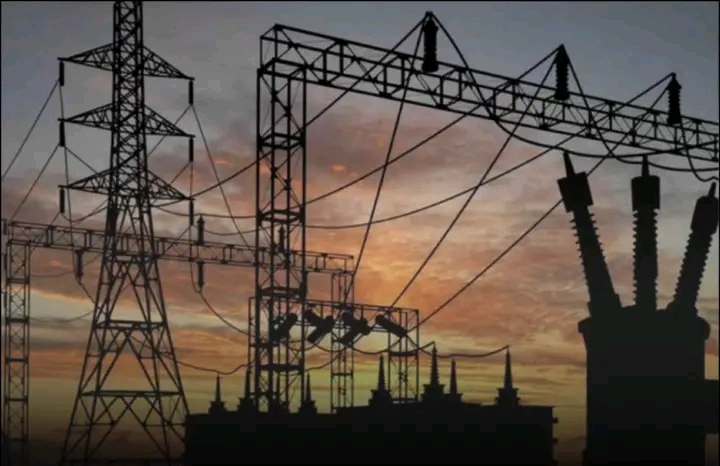
Despite ongoing blackouts, the Federal Government allocated N358.32 billion for electricity subsidies in the first three months of 2026, as reported by the Nigerian Electricity Regulatory Commission (NERC).

According to NERC’s First Quarter 2026 report, this subsidy arose from the government’s choice to keep electricity tariffs at levels from July 2024 rather than move to cost-reflective pricing.
🚀 Don't Miss Out!
Latest jobs • Scholarships • Grants • Internships • Career tips
(Naija + worldwide) — delivered daily on our WhatsApp Channel.
The report details that subsidy expenditures amounted to N126.48 billion in January, N116.34 billion in February, and N115.50 billion in March, averaging over N119 billion per month.
NERC noted that the lack of cost-reflective tariffs across all Distribution Companies (DisCos) led to the government’s N358.32 billion subsidy obligation, which represents a decrease of N60.46 billion, or 14.44 percent, from the previous quarter (N418.79 billion in 2025/Q4).
It also stated that the government’s subsidy covered 51.95 percent of the total Generation Company (GenCo) invoice. A key factor in the subsidy reduction was an 8.56 percent decline in energy offtake by DisCos between the two quarters.
🔔 OFFICIAL CHANGE OF NAME MADE EASY!
Avoid delays and rejection — let professionals handle your publication quickly and stress-free.
We help you publish your change of name in:
📰 Punch Newspaper
📰 Vanguard Newspaper
📰 Other Top National Newspapers
✨ Why Choose Us?
- ✔️ Quick turnaround (3 days)
- ✔️ Budget-friendly packages
- ✔️ Reliable & trusted service
PAY ATTENTION: Follow The Lagos Voice on WhatsApp channel for latest updates
The report indicated that total electricity generation generated invoices amounting to N689.72 billion, but DisCos were billed only N331.40 billion, with the Federal Government essentially covering the remaining N358.32 billion.
NERC cautioned that the ongoing nature of this subsidy presents enduring financial risks for the government, driven by variability in electricity volumes and generation costs.
Even with this substantial spending, overall electricity supply continued to decline, with average available generation capacity dropping 17.45 percent to 4,457.96MW and total generated electricity decreasing 9.64 percent to 8,883.47GWh.
The commission also noted two significant grid failures that led to widespread blackouts: a total collapse on January 23, 2026, and a partial collapse on January 27, 2026.