

By Yusuf Abdulqudus
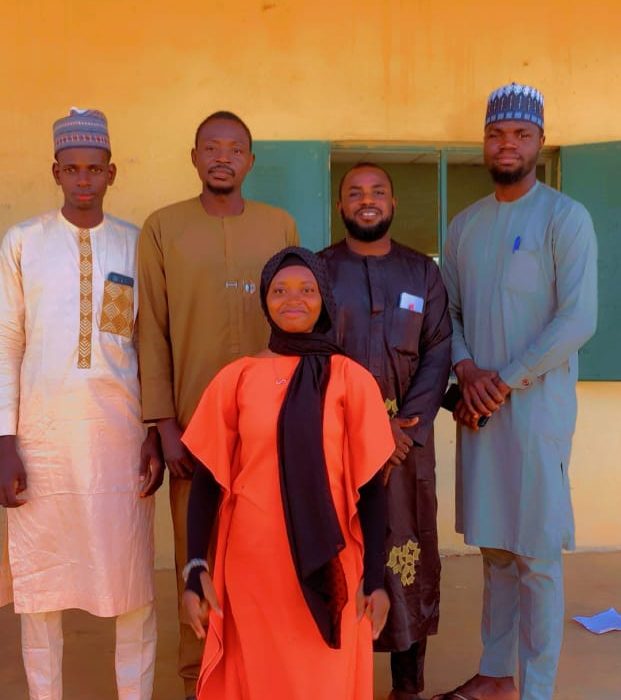
When the campus emptied and thousands of students set out for home after the semester ended, a different kind of journey was just beginning for Education students at Usmanu Danfodiyo University, Sokoto (UDUS). For many of them, the Teaching Practice (TP) exercise meant staying behind long after others had left, a sacrifice that came with emotional weight, financial strain, and a quiet resilience rarely acknowledged.

“Had I known I would be staying behind for Teaching Practice, I would never have chosen Education,” one student muttered in frustration. It is a sentiment whispered across hostels and classrooms, reflecting the mixed reality of a program designed to prepare future teachers through six demanding weeks of hands-on training.
Nearly 2,000 students across 300 and 400 levels participate in the compulsory 3-unit course. They are deployed to public and private schools across Sokoto State, expected to blend seamlessly into an already overstretched system. Yet behind the lesson notes and morning assemblies lie untold struggles, from the loneliness of an almost deserted campus to the daily battle of managing transportation, feeding, and welfare on limited resources.
“Staying Back Meant Giving Up Comfort”
For Abdulkareem Aishat, a 300-level student from the Department of Educational Foundations, Teaching Practice was a lesson in discipline long before she stepped into any classroom. Staying back meant forfeiting the warmth of home, the presence of family, and the rest she had anticipated after the session’s workload.
“It wasn’t easy,” she recalled. “I had to manage myself with limited resources and let go of some personal plans just to stay focused on TP.”
Her daily routine quickly became a balancing act. Lesson notes, class supervision, personal study, and other academic commitments all competed for attention. To cope, she built a simple but firm schedule, one that kept her grounded even on the most exhausting days.
“Consistency, determination, and time management,” she said, were her survival tools. Though the faculty’s support system was not flawless, Aishat admitted that the supervisors’ guidance helped refine her teaching skills and gave her a clearer understanding of the expectations attached to the program.
Staying Back Wasn’t Loneliness — It Was Purpose
While many students wrestled with the discomfort of staying behind, Lawal Sodiq Akanni, a 400-level student of Educational Foundations, viewed the experience through a different lens. Having stayed back in Sokoto before, the environment felt familiar. What set this period apart, he said, was the sense of purpose it carried.
“I did not feel lonely,” he noted calmly. “I know this is the right thing for me to do.”
To him, Teaching Practice is not a mere requirement but a pivotal stage of professional growth, just as laboratory sessions are essential for science students.
“I feel excited that I am progressing in my educational journey,” he said. “The only thing I missed was seeing my parents.”
Yet despite the fulfilment he attached to the experience, Lawal pointed to structural gaps that threatened the spirit of the exercise.
Supervision Gaps That Dimmed Motivation
One of Lawal’s greatest concerns was the inconsistency in supervision. According to TP guidelines, each student should receive at least two to three visits. But many, he explained, barely saw their supervisors.
“Some of us were visited once, or not at all,” he lamented. “It’s discouraging when you put in effort and still end up receiving grades like C, B, or even D without proper assessment.”
He also described the challenge of obtaining updated schemes of work, a problem that complicated lesson planning for many student-teachers. Clearer templates and adequate supervision, he argued, would significantly improve the experience.
“TP Taught Us the Reality of Teaching”
Still, Lawal’s journey was far from bitter. Standing before a classroom every morning, engaging students, drafting lesson notes, and managing time reshaped his understanding of the teaching profession.
“TP taught us how to be professionals,” he said. He spoke fondly of the friendships built, the collaborative spirit among TP colleagues, and the leadership skills gained from participating in extracurricular activities. To him, the certificate stamped by the school principal was more than a document, it was a symbol of growth.
NUESA Steps In: “We Are With Them”
Amid these experiences, the National University of Education Students Association (NUESA) says it is working to provide support throughout the TP period.
Abdulbasit Abdulaziz, popularly known as Bawan Allah, who recently assumed office as NUESA President, acknowledged the pressure students face.
“Many of them complain that their schools don’t give them enough time to rest,” he explained.
Though the administration is barely six weeks old, he said they have begun reaching out. As a TP student himself, he visited UDUS Model Primary School and GDSS Bodinga to motivate and interact with colleagues in the field.
To strengthen communication, the association maintains an active WhatsApp group where students report challenges, from transportation issues to welfare complaints.
“We’ve told them to report any problem they encounter, not just about TP but anything affecting their academic journey,” he said.
A Journey Beyond the Classroom
The stories of Aishat, Lawal, and many others reveal a teaching practice filled with contradictions: exhausting yet enlightening, lonely yet transformative, challenging yet deeply rewarding. While the program exposes gaps that need urgent attention, especially in supervision, welfare, and structure, it also shapes students into teachers who understand commitment beyond theory.
For UDUS Education students, TP is not just an academic requirement. It is a test of resilience, a lesson in sacrifice, and a quiet declaration of purpose.
And even as they navigate the demands of the present, they carry with them the hope that future cycles will be easier, fairer, and better supported, for the sake of those who will stand in front of classrooms for years to come.
Comments from T.P Coordinator
At the time of compiling this report, all the possible means to reach out to the Teaching practice Coordinator Prof. Abbas Mahmud yielded no result.