


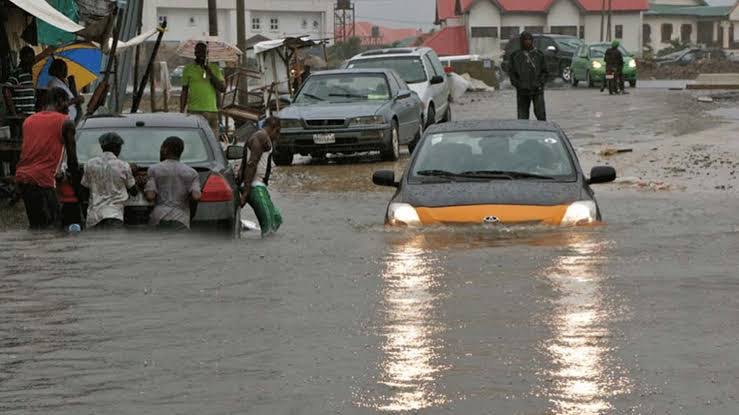
The Lagos State Government has recommended that individuals residing in flood-vulnerable regions, including low-lying, riverine, and coastal areas, move to higher and safer locations.

This advice follows a seven-day flood alert from the Nigerian Hydrological Services Agency (NiHSA).
🚀 Don't Miss Out!
Latest jobs • Scholarships • Grants • Internships • Career tips
(Naija + worldwide) — delivered daily on our WhatsApp Channel.
The alert is effective from September 19 to 25, 2026, with Lagos being one of 15 states at risk of river flooding.
Tokunbo Wahab, Commissioner for the Environment and Water Resources, emphasized the importance of heeding this warning and taking action before floodwaters increase.
Wahab highlighted specific communities needing extra caution, such as Eti-Osa, Lagos Island, Oke-Ira Nla in Ajah, Kirikiri, Ilaje Waterfront, Jetty Terminal B, and areas along the Ogun River and other waterways.
🔔 OFFICIAL CHANGE OF NAME MADE EASY!
Avoid delays and rejection — let professionals handle your publication quickly and stress-free.
We help you publish your change of name in:
📰 Punch Newspaper
📰 Vanguard Newspaper
📰 Other Top National Newspapers
✨ Why Choose Us?
- ✔️ Quick turnaround (3 days)
- ✔️ Budget-friendly packages
- ✔️ Reliable & trusted service
Additionally, he pointed out Isheri North, Kara, Itowolo, Ajegunle, Majidun, Ogolonto, parts of Agboyi, and other regions downstream of Isheri Olofin as places that should remain alert.
He urged residents in at-risk areas to evacuate to safer, elevated regions when necessary, stressing that no property is worth the risk of life.
PAY ATTENTION: Follow The Lagos Voice on WhatsApp channel for latest updates
The commissioner noted that the state government is enhancing monitoring of rainfall and river levels while collaborating with agencies to improve flood prevention and emergency response efforts.
He also advised the public to keep drainage systems clear of debris, avoid traversing flooded areas, and rely on official flood forecasts and safety alerts.
This warning coincides with NiHSA’s ongoing efforts to provide flood-risk information and forecasts to facilitate early preparedness and mitigate disaster risks nationwide.