


By Olayimika Raimi

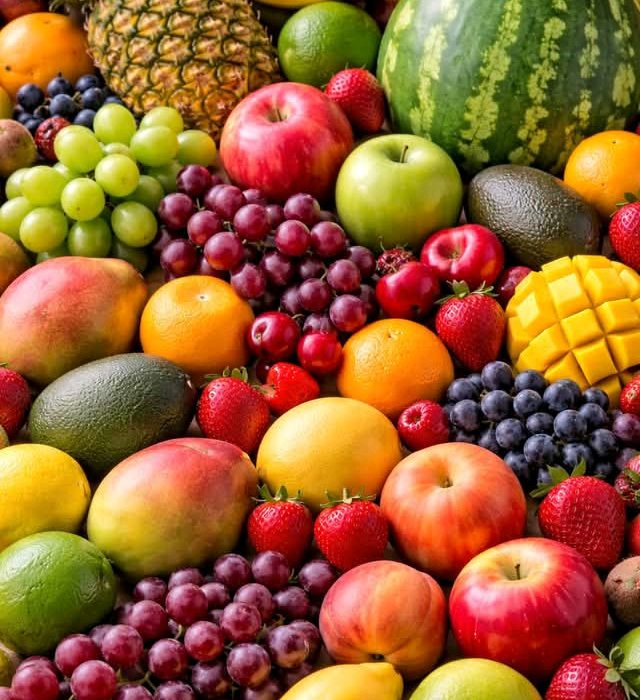
In many Nigerian communities, it is a familiar scene; roadside vendors displaying heaps of fresh fruits under the sun-bright oranges, ripe pawpaw, bunches of bananas, while passersby walk past without a second glance. These fruits, often seen as ordinary or “too common,” are frequently overlooked in favour of processed snacks and sugary drinks. Yet, behind their simplicity lies a powerful truth backed by nutrition science: these everyday fruits are among the most accessible tools for improving public health, strengthening immunity, and preventing disease.
🚀 Don't Miss Out!
Latest jobs • Scholarships • Grants • Internships • Career tips
(Naija + worldwide) — delivered daily on our WhatsApp Channel.
Health authorities such as the World Health Organization consistently recommend regular fruit consumption as part of a balanced diet, noting that fruits provide essential vitamins, minerals, antioxidants, and fiber that support overall well-being and help reduce the risk of chronic illnesses.
Nutrition experts emphasize that incorporating even one fruit daily into your diet can make a measurable difference. Fruits naturally contain immune-boosting compounds such as vitamin C, beta-carotene, and polyphenols, which help the body fight infections, repair cells, and maintain healthy organs. In a country where access to healthcare can be uneven, preventive nutrition, starting with something as simple as fruit, becomes even more critical.
Below are five of the most common fruits found across Nigerian local areas, and why they deserve more respect on our plates.
🔔 OFFICIAL CHANGE OF NAME MADE EASY!
Avoid delays and rejection — let professionals handle your publication quickly and stress-free.
We help you publish your change of name in:
📰 Punch Newspaper
📰 Vanguard Newspaper
📰 Other Top National Newspapers
✨ Why Choose Us?
- ✔️ Quick turnaround (3 days)
- ✔️ Budget-friendly packages
- ✔️ Reliable & trusted service
Orange (Citrus sinensis)
Oranges are widely available in markets and along highways, yet their value goes far beyond their refreshing taste. Rich in vitamin C, oranges play a crucial role in strengthening the immune system by supporting white blood cell function. They also contain antioxidants that help reduce inflammation and protect against infections.
Regular consumption of oranges has been linked to improved skin health, better iron absorption, and reduced risk of respiratory illnesses. Locally, they are eaten fresh or squeezed into juice, making them one of the easiest fruits to incorporate into daily routines.
Banana (Musa spp.)
Bananas are a staple in many Nigerian households, valued for their affordability and energy-boosting properties. They are rich in potassium, a mineral essential for maintaining healthy blood pressure and proper muscle function.
Beyond energy, bananas contain vitamin B6 and fiber, which support digestion and help regulate blood sugar levels. For individuals with busy lifestyles, a banana offers a quick, nutritious option that sustains energy while contributing to immune resilience.
Pineapple (Ananas comosus)
Pineapple stands out for its unique enzyme, bromelain, which aids digestion and has anti-inflammatory properties. This tropical fruit is also rich in vitamin C, making it another strong ally in boosting immunity.
Regular intake of pineapple may help the body combat infections, reduce inflammation, and support faster recovery from illness. In many Nigerian homes, it is consumed fresh or blended into juice, offering both taste and therapeutic benefits.
Watermelon (Citrullus lanatus)
Watermelon is particularly valuable in Nigeria’s warm climate due to its high water content. It helps maintain hydration, which is essential for proper body function and immune defense.
It also contains vitamins A and C, along with antioxidants like lycopene that support heart health and reduce the risk of certain diseases. Regular consumption helps keep the body refreshed while contributing to skin health and overall vitality.
Pawpaw (Papaya) (Carica papaya)
Pawpaw is one of the most undervalued fruits despite its impressive nutritional profile. It contains digestive enzymes such as papain, which aid in breaking down food and improving gut health.
Rich in vitamins A, C, and E, pawpaw supports immune function, promotes healthy skin, and helps the body fight infections. Its soft texture and natural sweetness make it suitable for all age groups, from children to the elderly.
Nutrition professionals often stress that consistency matters more than variety alone. Developing the habit of eating at least one fruit daily can significantly improve long-term health outcomes. Combining fruits, for example, a mix of banana and pawpaw in the morning or watermelon and pineapple later in the day, can further enhance nutrient intake.
PAY ATTENTION: Follow The Lagos Voice on WhatsApp channel for latest updates
Experts also advise choosing fresh, locally available fruits, as they are often more affordable and retain higher nutrient value due to shorter storage times. Simple practices, such as replacing sugary snacks with fruit or adding fruit to breakfast, can gradually transform dietary habits.
The fruits many Nigerians pass by every day are not just roadside commodities; they are powerful, natural sources of health protection. From boosting immunity to improving digestion and preventing disease, these common fruits offer benefits that modern processed foods cannot match.
Reintroducing these fruits into daily diets is not merely a lifestyle choice, it is a public health necessity. As health experts continue to advocate for increased fruit consumption, the message is clear: cultivating the habit of eating a fruit a day is a small step with profound, life-enhancing rewards.