


By Isaac Joseph Inyang
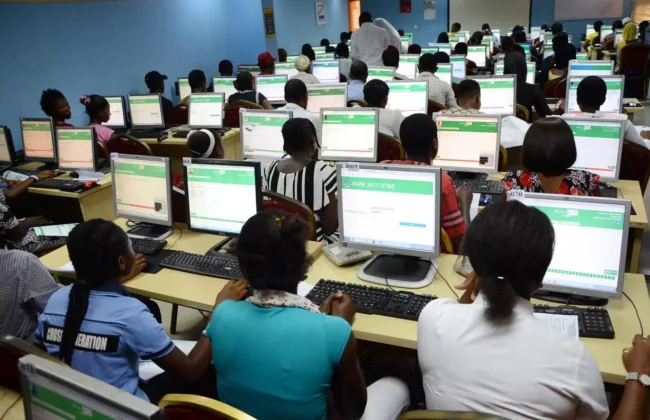
As the 2026 Unified Tertiary Matriculation Examination (UTME) begins nationwide between April 16 and April 25, 2026, candidates, parents, and educators are watching closely, hoping past disruptions do not repeat. The 2025 UTME remains fresh in public memory because the Joint Admissions and Matriculation Board (JAMB) itself acknowledged a significant technical failure that affected nearly 380,000 candidates across 157 accredited computer-based testing centres, particularly in Lagos and the South-East.

In preparation for the 2026 cycle, JAMB officially opened registration on January 26, 2026, and closed it on February 28, 2026, allowing candidates sufficient time to complete their profiles and submit verified biodata. To further support candidates, JAMB also scheduled an optional mock examination on March 28, 2026, giving students an opportunity to familiarise themselves with the computer-based testing environment before the main exam period.
To prevent a repeat of the 2025 issues, JAMB has introduced stricter measures for the 2026 UTME. Candidates are now required to declare their current tertiary admission status during registration to prevent impersonation, while biometric verification of fingerprints remains mandatory. Once registration is completed, biodata cannot be changed. All accredited registration centres will be monitored live from the Board’s headquarters to enforce compliance, ensure standardisation, and reduce opportunities for malpractice.
These procedural reforms are publicly confirmed and represent steps taken to address lessons learned from 2025. No independent public audit has been released to confirm that all technical system vulnerabilities have been permanently fixed. For many candidates and stakeholders, the 2026 UTME is not just another exam; it is a test of whether JAMB’s corrective measures can translate into a smooth and reliable experience free from the errors that disrupted the last cycle.
One year after admitting a large-scale technical breakdown, the 2026 UTME will reveal whether JAMB has moved beyond reactive correction to proactive reliability, a mission that matters to millions of Nigerian youths preparing to start their tertiary education journey.