


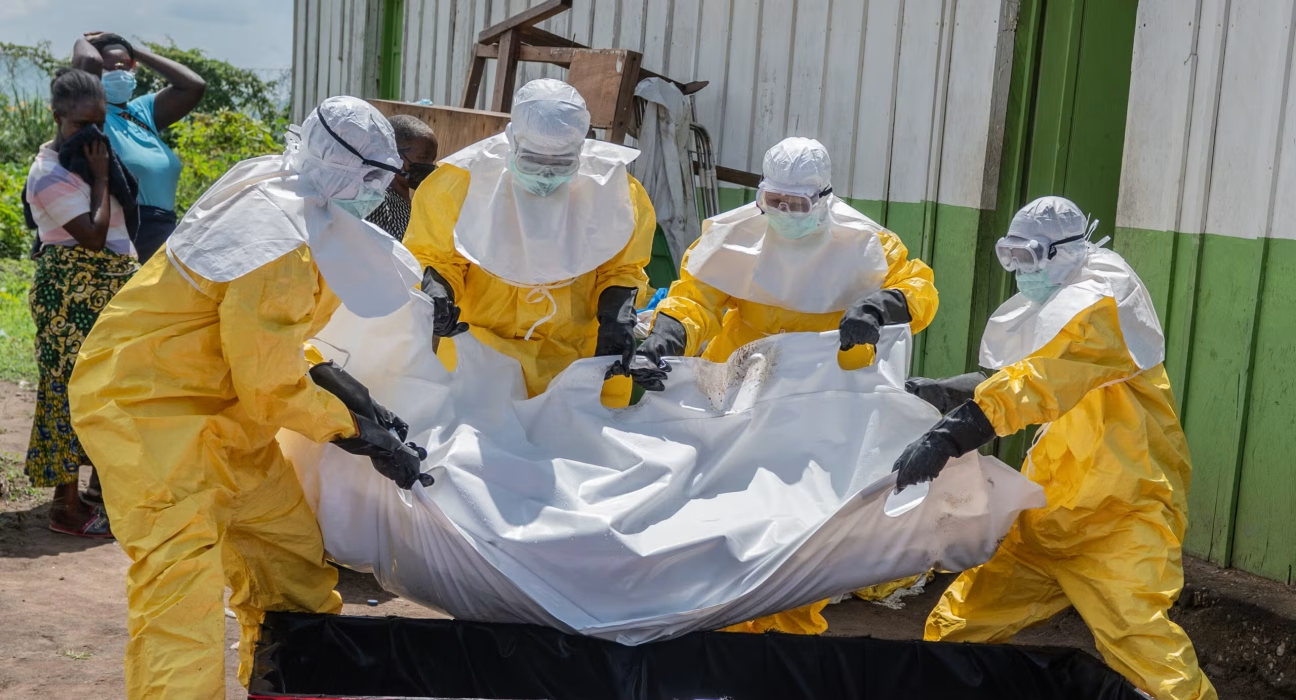
The Nigeria Centre for Disease Control and Prevention (NCDC) has put Lagos, the Federal Capital Territory (FCT), Rivers, Kano, and six additional states on high alert due to concerns about a potential Ebola outbreak in Nigeria.
This decision came after a recent risk assessment indicated a “high” likelihood of Nigeria importing the harmful Bundibugyo strain of Ebola Virus Disease.

In a health advisory distributed to health commissioners nationwide, the NCDC encouraged states to promptly enhance their surveillance systems, isolation facilities, and infection control practices.
This warning follows the World Health Organization’s (WHO) designation of the escalating Ebola situation in Uganda and the Democratic Republic of Congo (DRC) as a Public Health Emergency of International Concern.
While Nigeria has not yet confirmed any cases of Ebola, the NCDC noted the ongoing transmission of the virus in parts of Central and East Africa.
PAY ATTENTION: Follow The Lagos Voice on WhatsApp channel for latest updates
Recent reports from affected areas indicate there are currently 1,077 suspected cases and 247 deaths associated with the outbreak, resulting in a fatality rate of 24.6 percent.
The agency has identified Lagos, FCT, Rivers, Kano, Enugu, Borno, Akwa Ibom, Cross River, Taraba, and Adamawa as the states at the greatest risk due to their international airports, seaports, and border crossings.
The NCDC emphasized that while all states should uphold basic preparedness measures, those ten high-risk states need to urgently enhance their diagnostic capabilities and establish dedicated isolation facilities.
Additionally, the agency highlighted the importance of increased vigilance at borders and healthcare settings to prevent any potential spread into the country.