

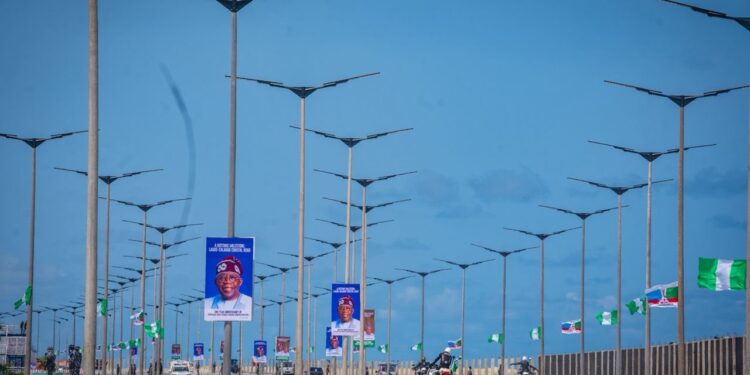
The Federal Ministry of Works has prohibited the use of commercial motorcycles and tricycles on the newly constructed Lagos-Calabar Coastal Highway, with the ban taking effect this week.

In a statement released on Sunday, the Federal Controller of Works in Lagos, Olufemi Dare, explained that the restriction is a protective measure designed to prevent misuse and rapid deterioration of the major infrastructure project.
🚀 Don't Miss Out!
Latest jobs • Scholarships • Grants • Internships • Career tips
(Naija + worldwide) — delivered daily on our WhatsApp Channel.
PAY ATTENTION: Follow The Lagos Voice on Facebook and WhatsApp channel for latest updates
Dare emphasized that these steps are essential for the long-term sustainability and preservation of the highway, which he described as a “world-class infrastructure.”
The directive also extends to a ban on the indiscriminate parking of trucks and other large articulated vehicles along the route. According to the Controller, this restriction applies not only to the coastal highway but also to all federal bridges throughout Lagos State.
🔔 OFFICIAL CHANGE OF NAME MADE EASY!
Avoid delays and rejection — let professionals handle your publication quickly and stress-free.
We help you publish your change of name in:
📰 Punch Newspaper
📰 Vanguard Newspaper
📰 Other Top National Newspapers
✨ Why Choose Us?
- ✔️ Quick turnaround (3 days)
- ✔️ Budget-friendly packages
- ✔️ Reliable & trusted service
PAY ATTENTION: Follow The Lagos Voice on Facebook and WhatsApp channel for latest updates
Furthermore, the ministry has outlawed the dumping of refuse along highway corridors, calling the practice unacceptable and warning that offenders will face strict enforcement.
To ensure compliance, Dare confirmed that signage indicating the new rules has already been installed along the highway. He also announced that a dedicated task force will be deployed to strategic locations to enforce the ban.
The official urged all road users to adhere to the new directives, highlighting that their cooperation is crucial for public safety and for maintaining the highway’s value and lifespan for the benefit of all Nigerians.