


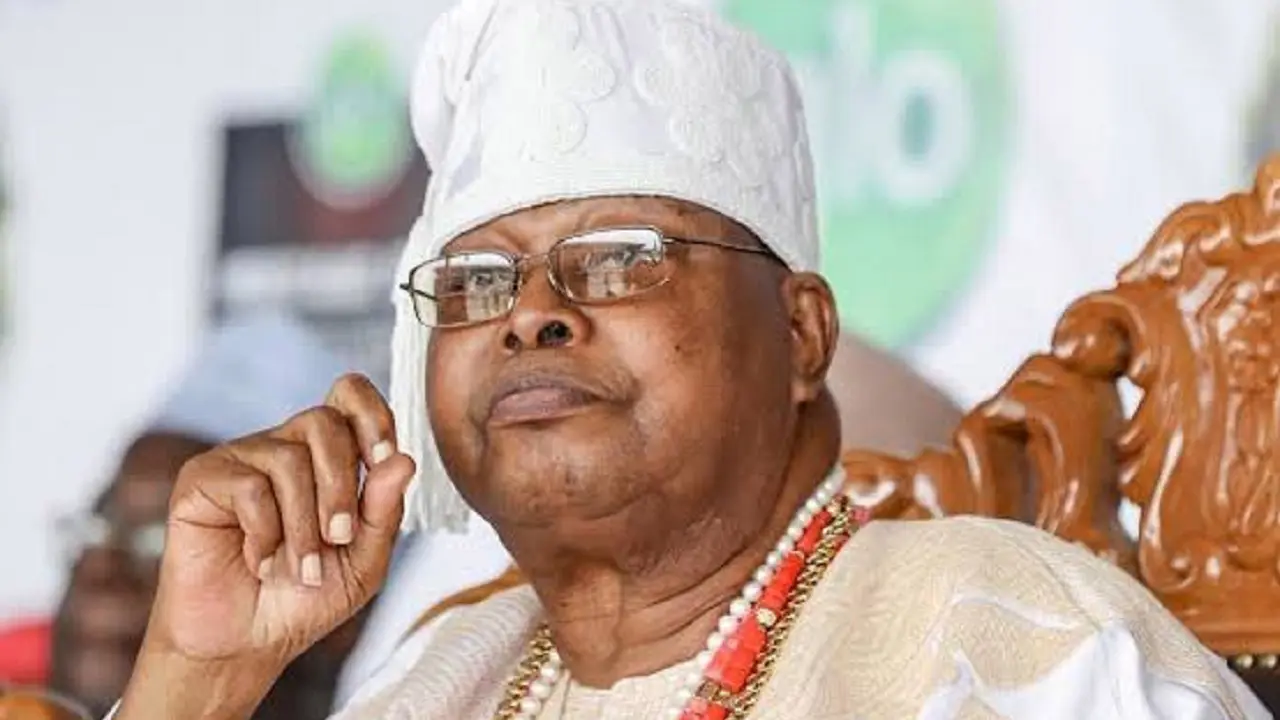
As Nigeria mourns the passing of one of its most distinguished royal fathers, the Awujale and Paramount Ruler of Ijebuland, Oba (Dr.) Sikiru Kayode Adetona, the legacy of this remarkable monarch continues to resonate across the nation.
Oba Adetona, who passed on Sunday, July 13, at the age of 91, was more than just a traditional ruler, he was a custodian of heritage, a statesman, a symbol of integrity, and arguably Nigeria’s most influential monarch of the modern era.

ALSO READ: Awujale of Ijebuland, Oba Sikiru Kayode Adetona, Passes On at 91
From his historic 64-year reign to his fearless advocacy for good governance, the Awujale left a lasting mark not only on the Ijebu Kingdom but on Nigeria’s national conscience.
As tributes pour in from across the country and beyond, The Lagos Voice takes a reflective look at 10 extraordinary things Nigerians will forever remember about the late royal father.
1. He Was One of Nigeria’s Longest-Reigning Monarchs
Oba Sikiru Adetona ascended the throne in 1960, the very year Nigeria gained independence. For more than six decades, he ruled with wisdom, stability, and progressive foresight — making him the longest-reigning Awujale in history and one of the oldest-serving monarchs in Africa.
2. He Became King at the Age of 26
In an era when royal stools were often occupied by older men, the late Oba defied the odds, becoming Awujale at just 26 years old.
His ascension was met with both curiosity and hope, and he proved early on that age was no barrier to effective leadership.
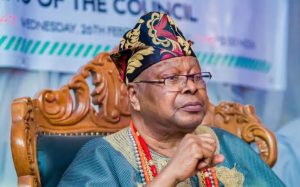
3. He Modernised the Ijebu Traditional Institution
Under his leadership, Ijebu-Ode evolved from a regional town to a thriving cultural and economic centre.
ALSO READ: All those I have hurt, I ask that they pardon me’ – Buhari appeal for forgiveness
Oba Adetona brought modern governance, diplomacy, and strategic partnerships into the traditional institution, transforming the Awujale’s stool into one of Nigeria’s most respected royal offices.
4. He Was an Unapologetic Voice for Traditional Rulers in Governance
The Awujale was a fierce advocate for constitutional recognition of traditional rulers.
He believed that monarchs, as custodians of grassroots communities, had a critical role to play in nation-building and security architecture — especially at the local level.
5. He Was Known for His Outspokenness and Integrity
Even at the height of military rule, Oba Adetona never shied away from telling the truth. Whether engaging state governors or addressing national issues, his words carried gravitas, and his reputation as a fearless monarch who spoke truth to power earned him deep national respect.
6. He Was Closely Aligned with National Leaders — Including Buhari
The Awujale maintained cordial but principled relationships with multiple Nigerian presidents, including Obafemi Awolowo, Olusegun Obasanjo, and Muhammadu Buhari.
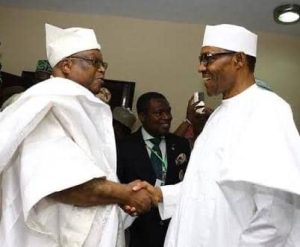
Remarkably, he passed away hours after Buhari, his longtime ally and friend, a moment many Nigerians have described as divine coincidence.
7. He Championed the Ojude Oba Festival on a Global Stage
What began as a local post-Sallah homage became one of Nigeria’s biggest cultural showcasesunder Oba Adetona’s reign.
ALSO READ: Former President Muhammadu Buhari is dead
The Ojude Oba Festival, held annually in Ijebu-Ode, attracted thousands of visitors from Nigeria and the diaspora, boosting tourism, local enterprise, and Yoruba cultural pride.
8. He Was Immortalised by a University Before His Death
In recognition of his contributions to public service and leadership, Olabisi Onabanjo Universityrenamed its School of Governance Studies after him in 2021.
It was a rare honour for a sitting monarch — and a testament to the Awujale’s legacy in education, policy dialogue, and public affairs.
9. He Authored a Candid Autobiography Titled ‘Awujale’
In 2010, Oba Adetona published his memoirs, “Awujale: The Autobiography of Alaiyeluwa Oba Sikiru Kayode Adetona, Ogbagba II,” a fearless account of his life, the monarchy, Nigerian politics, and the battle for truth and transparency in governance.
ALSO READ: Buhari: 5 Things Nigerians will miss about the Former President
The book remains a must-read for scholars and leaders alike.
10. He Was Loved Across Ethnic, Religious and Political Divides
Despite being a Yoruba monarch, the Awujale’s influence cut across ethnic and regional lines. He was universally respected in the North, South, East, and West, by traditional rulers, politicians, youth leaders, and clergy. His life was a model of unity, humility, and patriotism.
A Legacy Etched in Gold
The late Awujale’s reign was not without its storms, but his ability to lead with wisdom, speak with courage, and build with purpose is what cemented his place as one of Nigeria’s most revered traditional rulers.
In his lifetime, Oba Sikiru Kayode Adetona saw Nigeria gain independence, endure military coups, return to democracy, and evolve into a digital-era nation, all while steering the Ijebu people with grace and foresight.